

Key Highlights
-
Navratri, an auspicious Hindu festival, honours the divine energy of Goddess Durga and celebrates her nine forms over nine days.
-
Shardiya Navratri in 2025 begins on September 22 and concludes with Dussehra on October 1, symbolising the victory of good over evil.
-
Chaitra Navratri, starting March 30, 2025, also marks the Hindu Lunar New Year and ends with Ram Navami.
-
Garba, a devotional dance form, is central to Navratri festivities, especially in states like Gujarat.
-
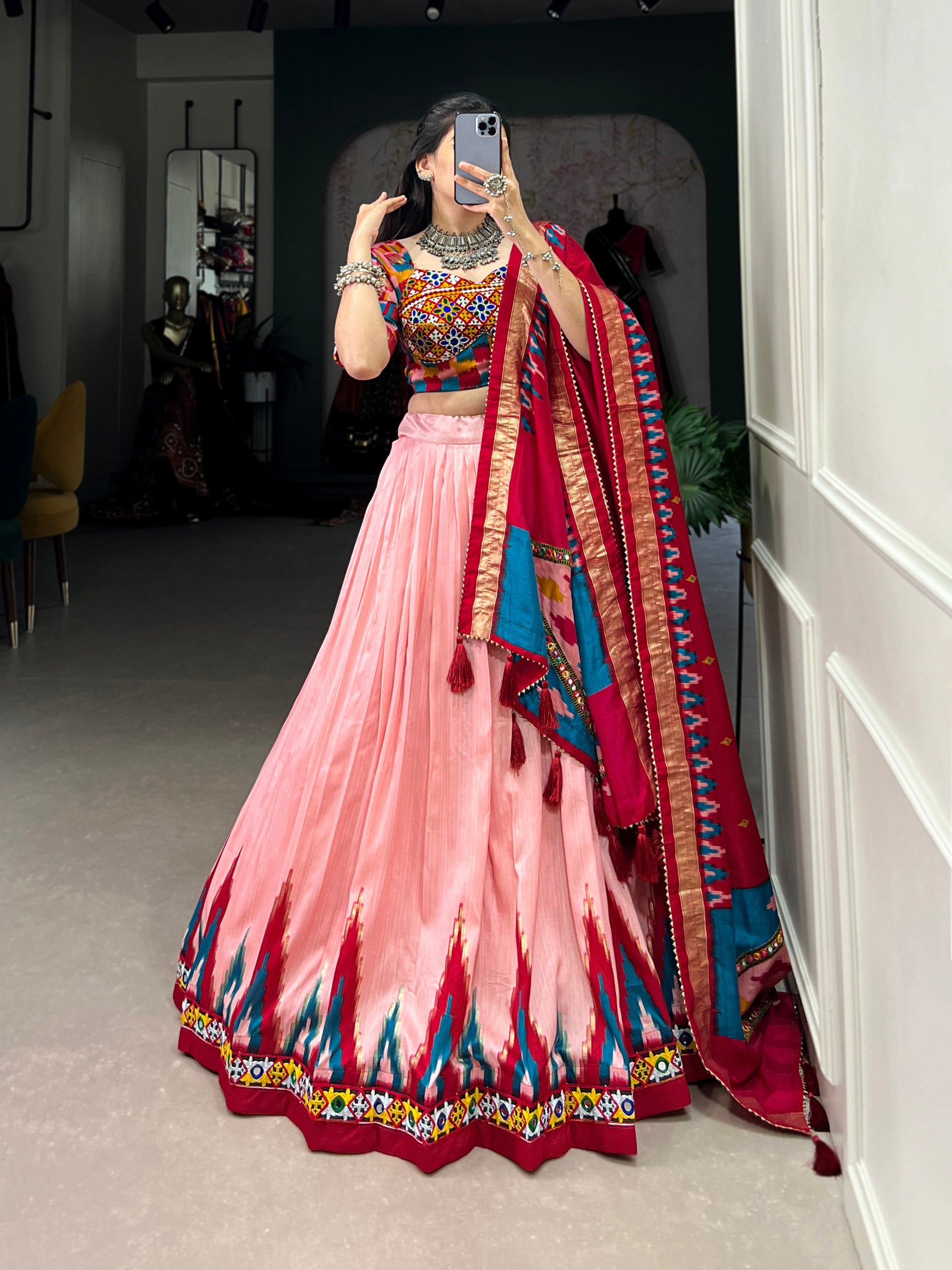
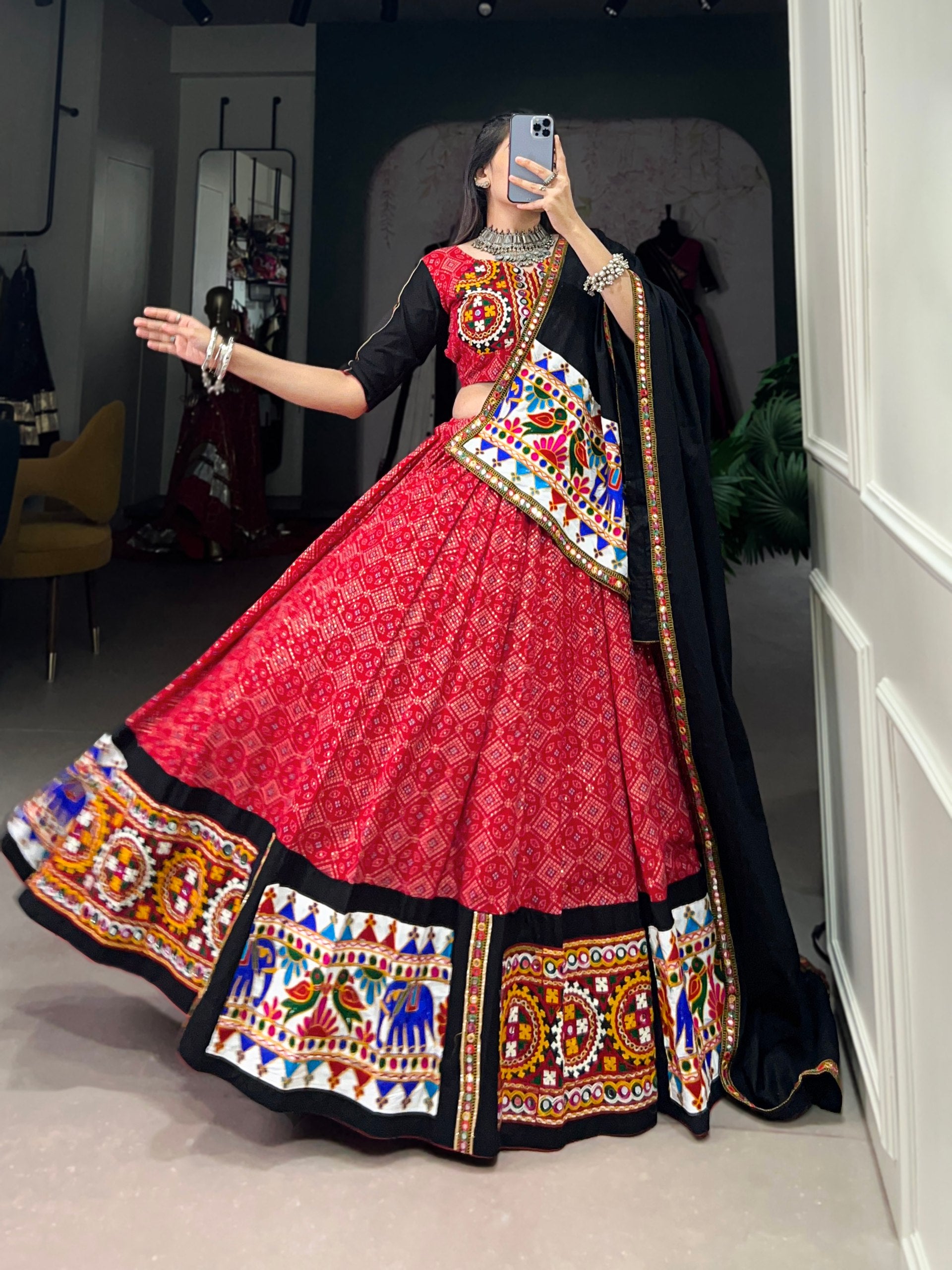
Vibrant colours and traditional Indian attire add to the grandeur of the festivities throughout the nine days.
-
Fasting-friendly snacks and sweets are integral to Navratri celebrations, as they connect spirituality and culinary traditions.
-
Dussehra, celebrated on the tenth day, marks the grand conclusion—signifying the victory of good over evil.
-
Celebrations differ across regions, such as Durga Puja in West Bengal and Vaishno Devi worship in Jammu.
Introduction
Navratri is a well-known Hindu festival. It occurs twice a year and centres on Goddess Durga. This nine-night event is a time of devotion, fasting, and many lively traditions that can be seen in Indian groups around the world. Shardiya Navratri comes in autumn, and Chaitra Navratri takes place in spring. Both these times are special moments for people to start fresh in life and to show that good will always beat bad. During Navratri, people observe prayers, dance, fast, and participate in colourful customs. All these activities are done to honour the various forms of goddess Durga.
Let's look at the dates, special rituals, and fun traditions for Navratri 2025.
When is Navratri in 2025?
Are you excited to set your calendar for Navratri in 2025? This big festival comes twice a year. The first one, Chaitra Navratri, starts on Sunday, March 30, and ends on Monday, April 7. This time matches with the first month of the Hindu lunar year. Later, Sharad Navratri will take place. It starts on Monday, September 22, and finishes on Wednesday, October 1. This brings in the special feeling of autumn.
During Navratri, people spend all nine days with rituals, fasting, and remembering that light wins over darkness. The festival is not only about old customs, but also features happy events like Garba and Dandiya, which bring people together.
|
Navratri Type |
Start Date |
End Date |
|
Chaitra Navratri |
March 30, 2025 |
April 7, 2025 |
|
Sharad Navratri |
September 22, 2025 |
October 1, 2025 |
These bright celebrations help people feel like one, bring them closer to the divine, and make the community stronger.
Shardiya Navratri 2025 Start and End Dates and Calendar
Shardiya Navratri, also known as Maha Navratri, is the most well-known of all the types of Navratri. In 2025, Navratri starts on September 22 (Monday) and ends on October 1 (Wednesday), when people celebrate Dussehra/Vijayadashami. This is a special time for worshipping the goddess Durga in her nine forms.
The festival begins with a special ghatasthapana ceremony. People do prayers and rituals each day during these nine days. These days come during the lunar month of Ashwin. For many devotees of Durga, this makes the festival feel even more special and exemplary.
|
Day |
Date (Tentative) |
Tithi |
Navadurga Avatar |
Colour of the Day |
Significance |
|
Day 1 |
September 22, 2025 |
Pratipada |
Shailaputri |
Yellow |
The beginning of Navratri invokes strength |
|
Day 2 |
September 23, 2025 |
Dwitiya |
Brahmacharini |
Green |
Symbol of penance and austerity |
|
Day 3 |
September 24, 2025 |
Tritiya |
Chandraghanta |
Grey |
Represents bravery and grace |
|
Day 4 |
September 25, 2025 |
Chaturthi |
Kushmanda |
Orange |
Source of energy and creation |
|
Day 5 |
September 26, 2025 |
Panchami |
Skandamata |
White |
Depicts motherly strength and care |
|
Day 6 |
September 27, 2025 |
Shashti |
Katyayani |
Red |
Warrior goddess who destroys evil |
|
Day 7 |
September 28, 2025 |
Saptami |
Kalaratri |
Royal Blue |
Fierce destroyer of darkness |
|
Day 8 |
September 29, 2025 |
Ashtami |
Mahagauri |
Pink |
Purity, serenity, and hope |
|
Day 9 |
September 30, 2025 |
Navami |
Siddhidatri |
Purple |
Grants wisdom, siddhi, and fulfilment |
|
Day 10 |
October 1 & 2, 2025 |
Dashami |
Vijayadashami |
Sky Blue |
Victory of good over evil (Ravana Dahan) |
Chaitra Navratri 2025 Dates and Key Muhurat
Chaitra Navratri is the start of the Hindu Lunar New Year. People celebrate this from March 30 (Sunday) to April 7 (Monday) in 2025. At the start, on the first day called Ghatasthapana, people keep a Kalash in their homes. This act is to invite Maa Durga's presence.
This festival goes on for nine days. It ends with Ram Navami, which is a special day for Lord Rama's birthday. During these days, many people fast, do meditation, and show their devotion. Chaitra Navratri is a time to clean the soul and welcome peace, prosperity, and success into life.
|
Date |
Day |
Event |
|
March 30 |
Sunday |
Ghatasthapana, Shailputri Puja |
|
April 7 |
Monday |
Siddhidatri Puja, Ram Navami |
At this time, the devotees follow a vegetarian diet. Every day, they do puja for Maa Durga with honest rituals. The aim is to get divine blessings on these special and auspicious days in Chaitra.
Garba: The Dance of Devotion
A big part of the festival of Navratri is Garba. This dance is to show love and thanks to Goddess Durga. Garba originated in Gujarat, and now people in many places across India have their own unique ways of performing it.
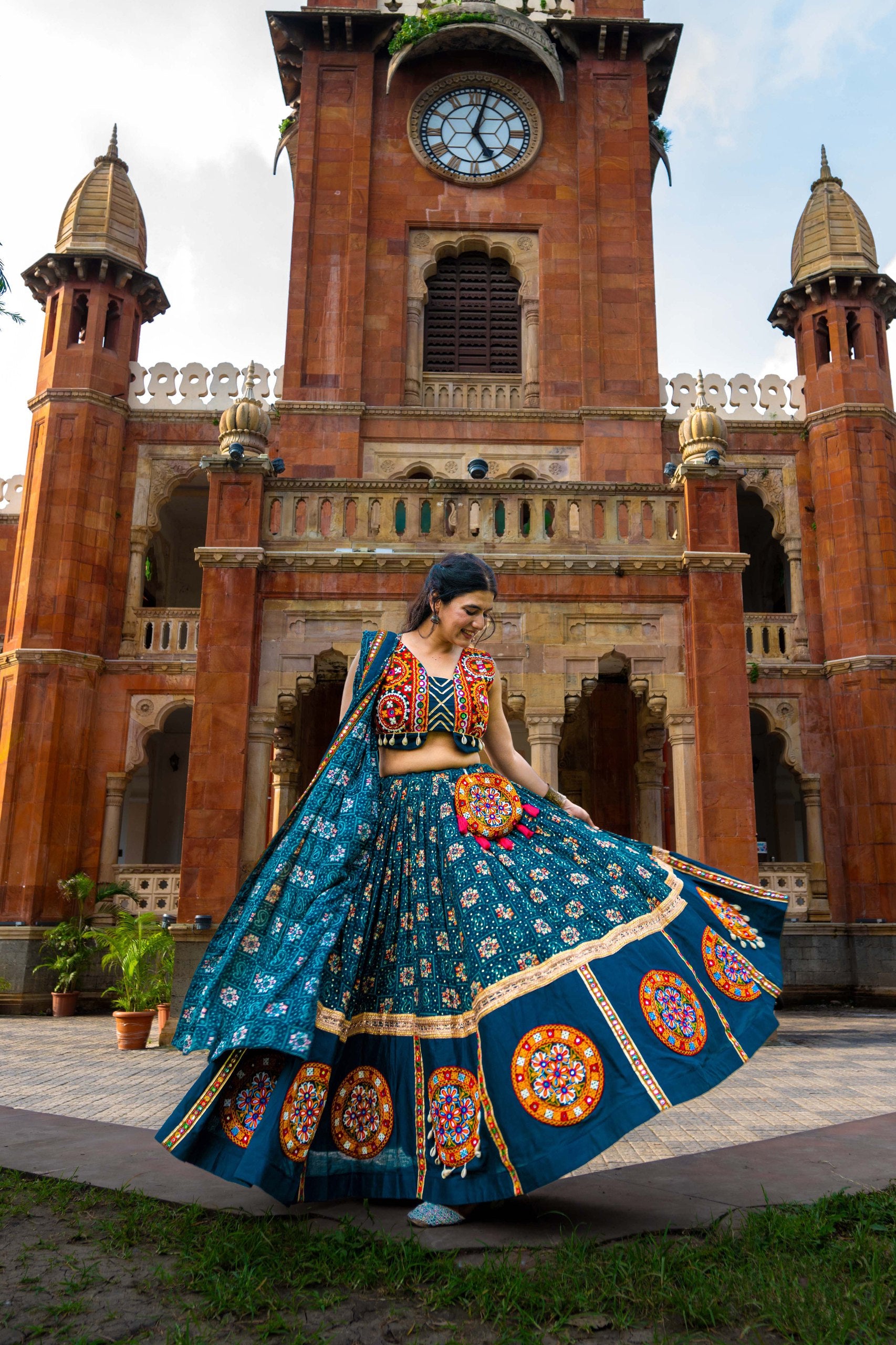
During Navratri, people dress up in vibrant clothes and perform Garba with energetic moves. This dance brings people together, helping everyone experience the joy and devotion of the Navratri festival. Every move in Garba is a way to honour and think about the goddess.
How Garba is Celebrated
Garba celebrations during Navratri are full of life and colour. People dress up in traditional clothes and dance to music. There are special rituals in this festival that give people energy. Bright colours and unique dance steps make Garba look beautiful. The dance is performed to honour the Goddess Durga and helps people feel closer to the goddess.
Key elements of Garba include:
-
Circular formations that show the cycle of life.
-
Devotional songs about different forms of Maa Durga.
-
Use of dandiyas (sticks) when people dance the Raas Garba together.
-
Community prayers that bring people together and show devotion.
In the festival of Navratri, devotees gather to dance and celebrate with joy. This festival breaks down barriers, allowing all people to experience the power and tradition in India's diverse cultural forms of devotion to the Goddess Durga.
Major Community Events, Garba, and Dandiya Nights
Garba and Dandiya nights bring in big crowds during Navratri, mainly in the cities where many Indian people live. Cultural groups host these nights. People join together in rhythmic dance and wear colourful clothes. You can feel the unity in every move and outfit, and this is what makes these celebrations so lively.
-
In Gujarat, Garba dances are known for moving in circles. This shows the cycle of life.
-
Dandiya dancers use bright sticks. These dances are happy times for people to come together.
-
In Maharashtra, the nights go further by having rich local folk songs to enjoy.
-
The places where events take place often feature cool decorations inspired by the various forms of the goddess Durga.
On these community nights, you see both worship and fun blending during Navratri. This mix makes these events good times for all, and people remember them year after year.
Fashion & Festive Looks
Fashion stands out at Navratri. People wear bright clothes that match the spirit of the festivities. Men and women dress up in colours that go with each day. This honours the Navratri rituals.
In places like Gujarat and Maharashtra, people choose traditional Indian clothing. They add beautiful accessories to finish their look. The outfits help bring out the mood of the celebration. The outfits blend devotion with style, allowing people to express themselves through fashion.
Women's Clothing for Navratri
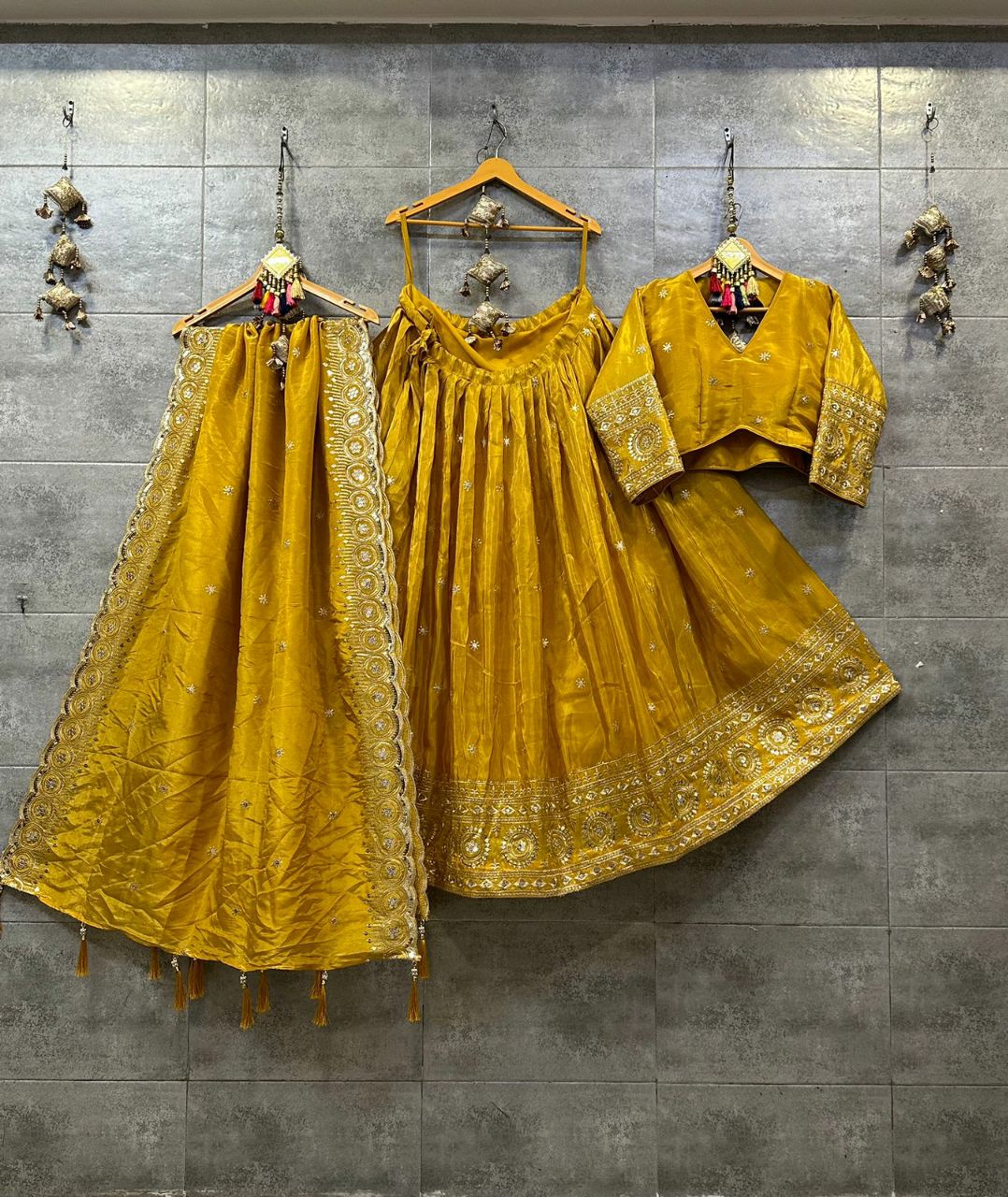
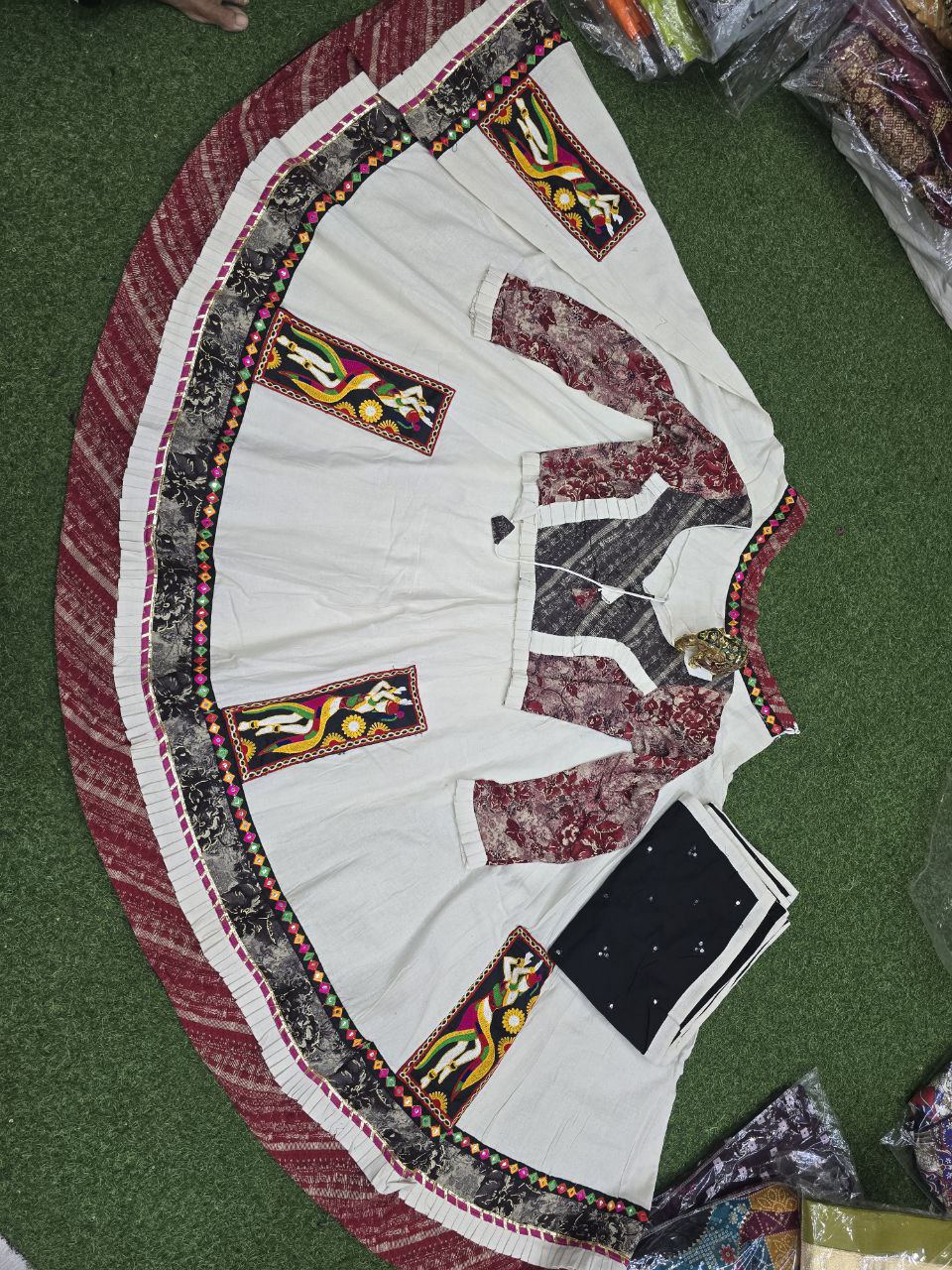
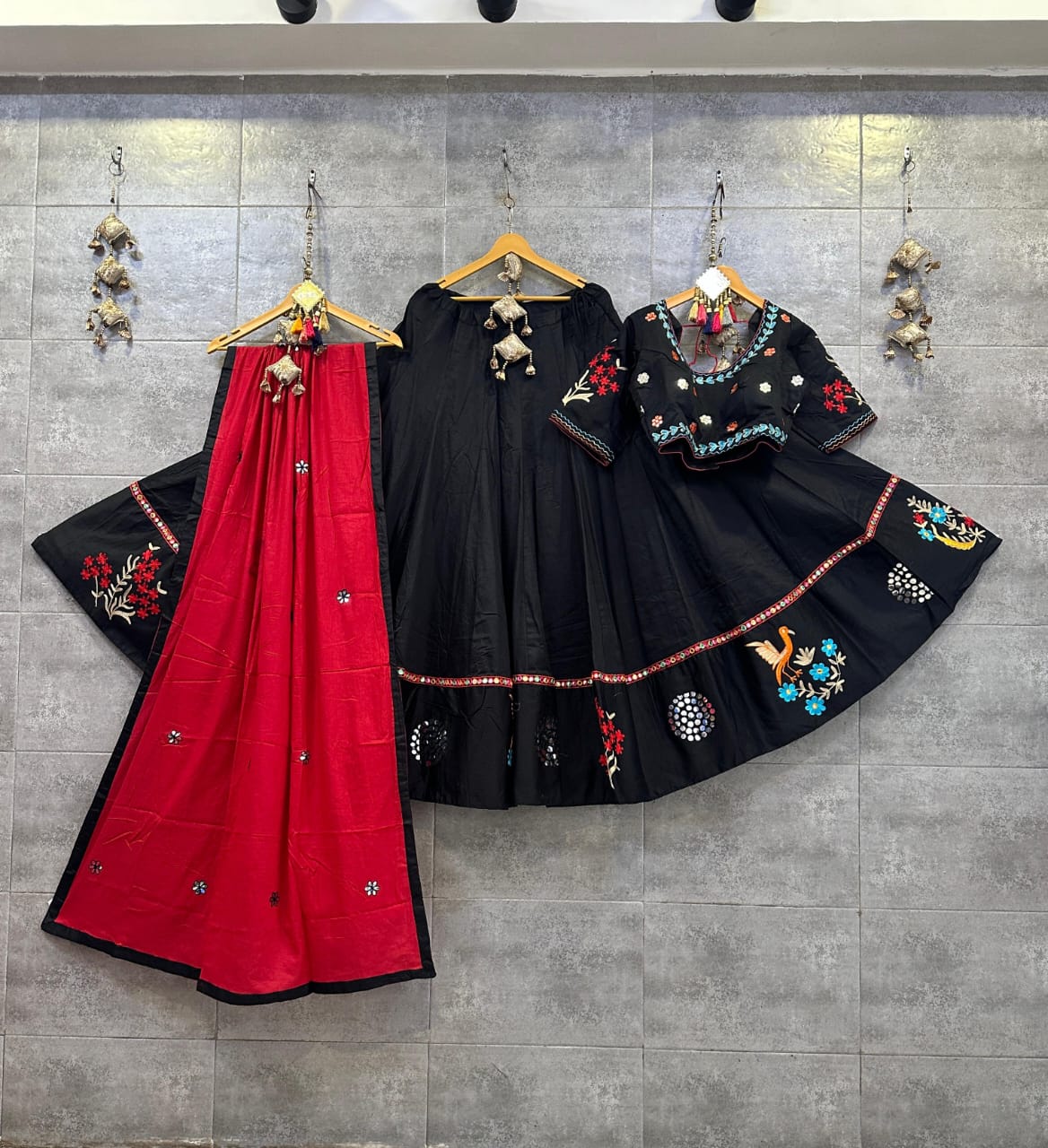
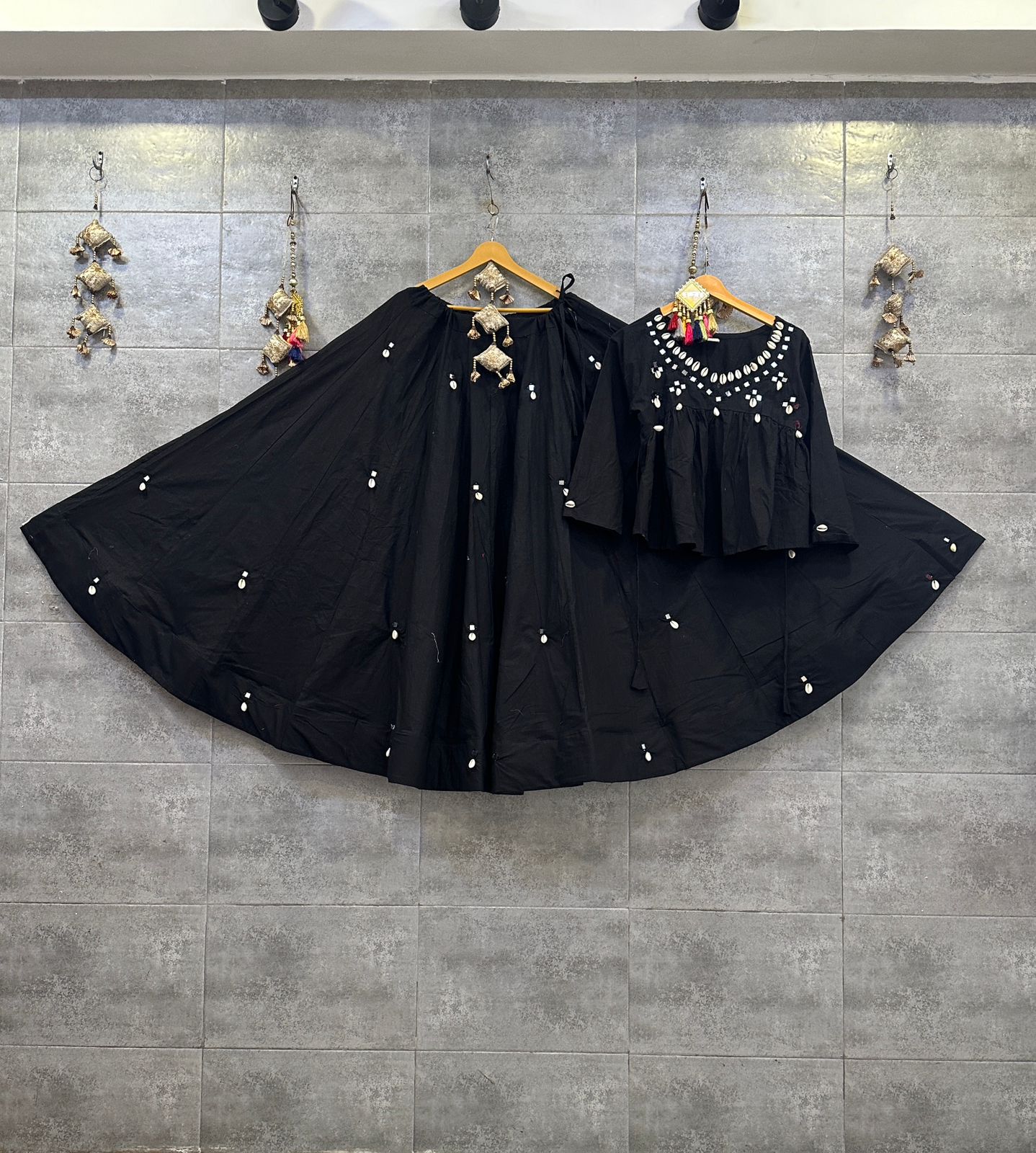
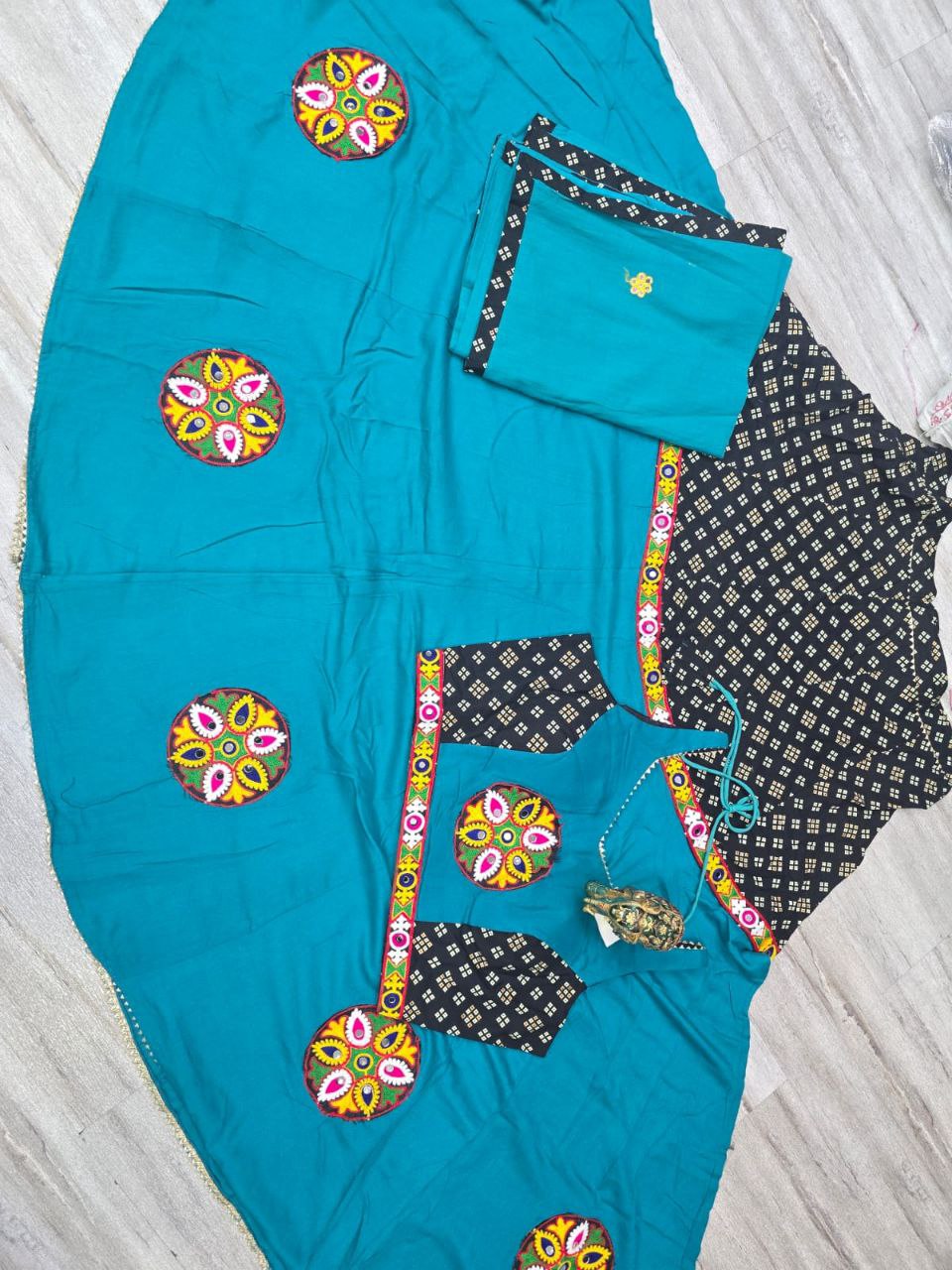
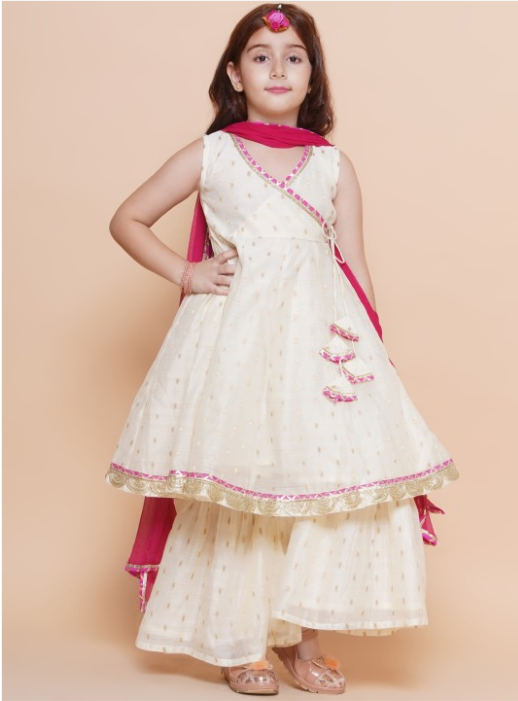
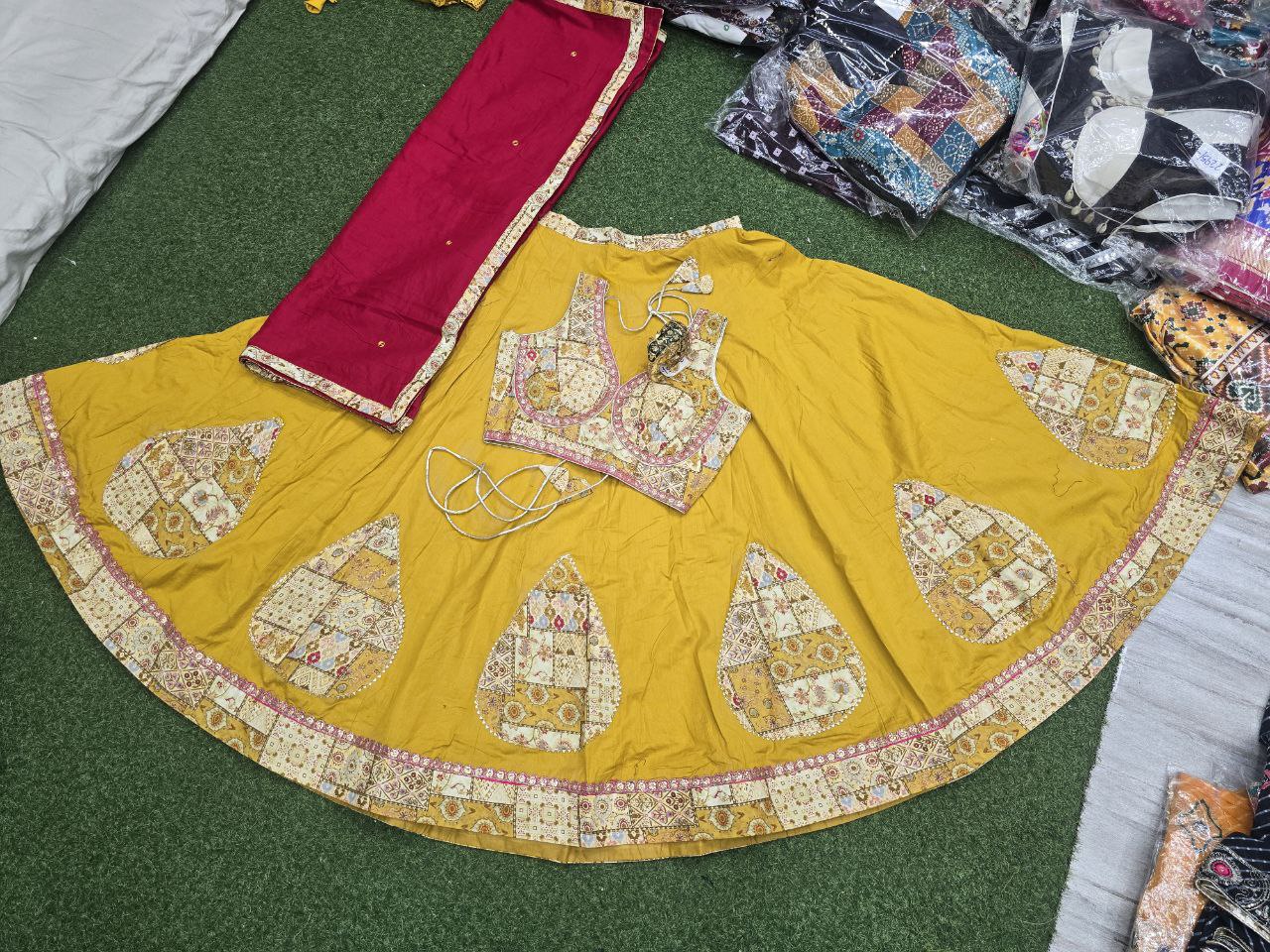
Women's clothing during Navratri is all about the nine different colours of the festivities. Each colour has its own meaning. In Maharashtra, women use these daily colours to make the spiritual feeling even stronger. During these nine days, they wear chaniya cholis, sarees, and lehenga sets that have beautiful embroidery to get into the puja spirit.
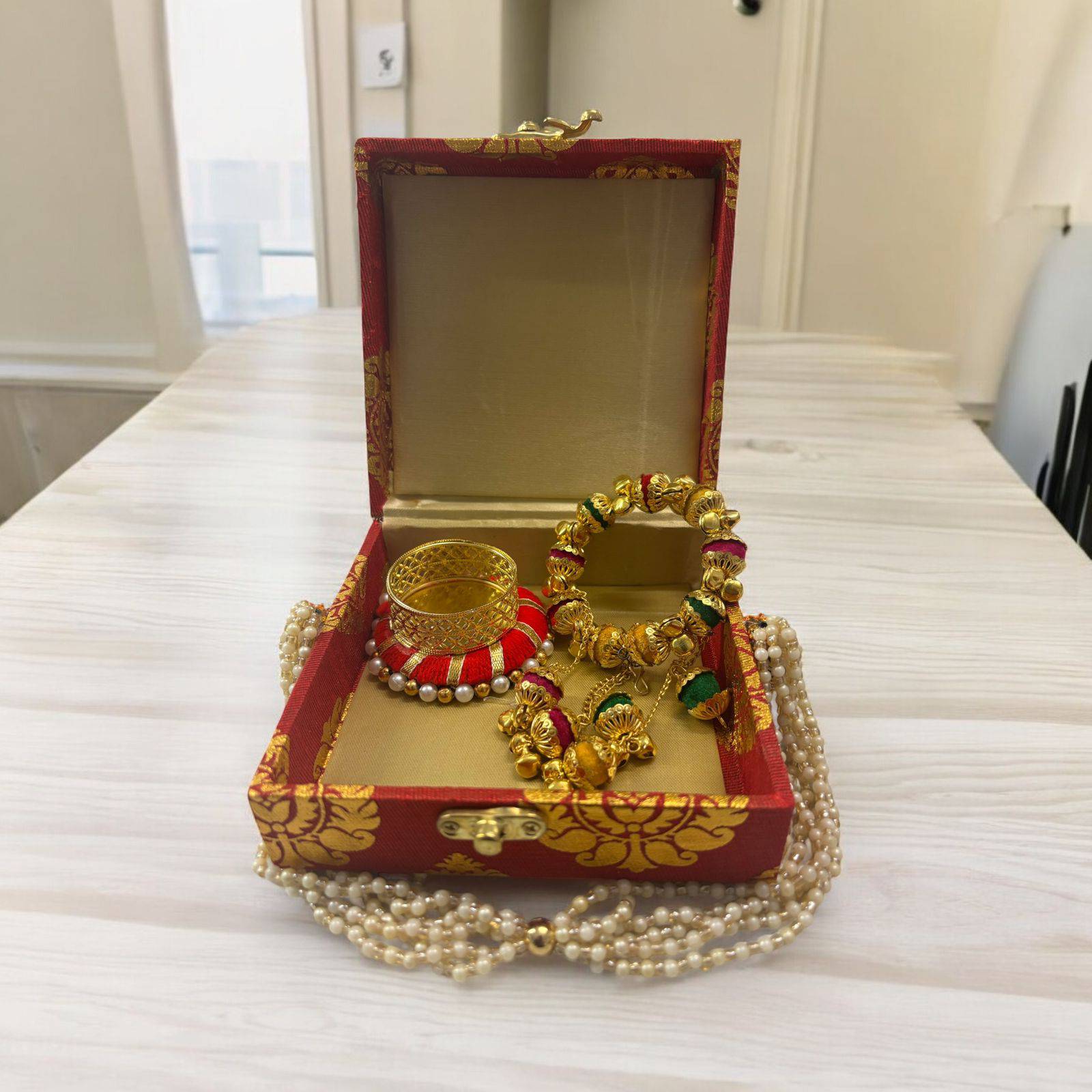
These lovely clothes look even better with traditional jewellery like bangles and necklaces. This helps complete the festive look. Many devotees incorporate a special colour for each day into their attire, such as white for Shailputri Puja or red for Brahmacharini Puja, demonstrating their devotion.
The blend of devotion and fashion trends in Navratri showcases just how lively and profound this celebration can be for people in Maharashtra and beyond.
Men's Clothing for Navratri
Men’s festive attire during Navratri in India features bright colours, light fabrics, and fine stitching that perfectly suits the mood of the season. In places like Gujarat, men often wear kurta-pajama sets. They sometimes add an embroidered jacket over it. Some people choose a bandhagala or a dhoti, and wear lovely accessories with these outfits.
Colours that match Navratri rituals, like grey used for Skandamata Puja, are used in men's clothes, too. This helps people feel a closer link to the meaning of these nine days. During Garba nights, many people want clothes that are both comfortable and look good. This demonstrates devotion while allowing people to have fun at the same time.
In India, festive wear for Navratri is an opportunity to showcase new and creative fashion. It's part of what makes Hindu culture so lively and full of colour during this festival.
Snacks & Sweets for Navratri (Fasting-Friendly + Festive)
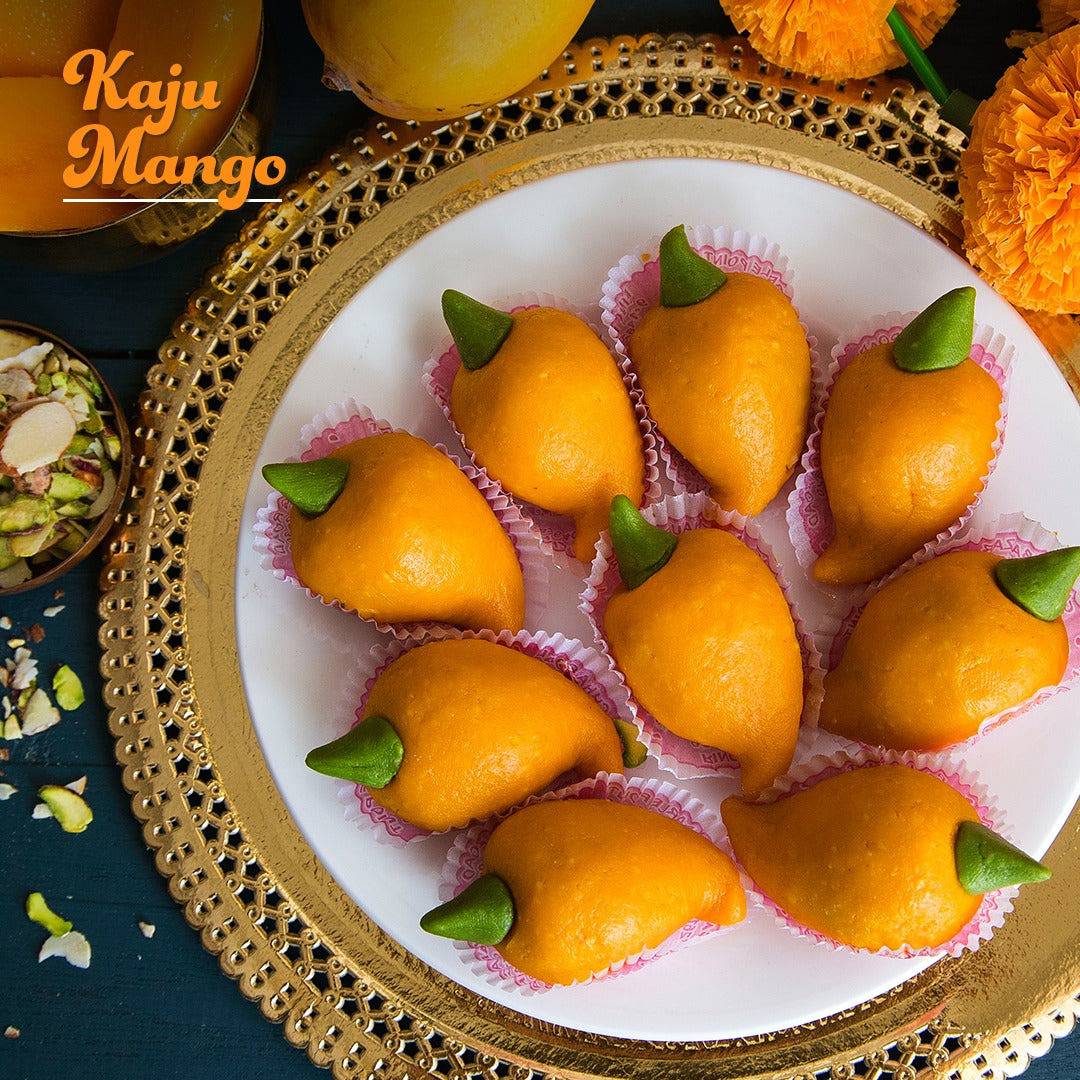
A wide range of snacks and sweets helps make Navratri celebrations more joyful, especially for those who are fasting. You can try sabudana vada. It is a crispy snack made with tapioca pearls. Kuttu ki puri is another good choice for the nine days of Chaitra Navratri. It contains buckwheat flour, which helps keep you full of energy throughout the day.
If you want something sweet, coconut laddu is a tasty option. Dried fruit sweets are also good and remind us of the goddess's blessings. Eating these treats during Chaitra Navratri helps all devotees enjoy their fasting time and feel closer to the goddess. These foods make the nine days of Chaitra Navratri even more special for us all.
Rituals and Traditions During Navratri 2025
The many rituals and traditions of Navratri include daily pujas. There is mantra chanting and special prayers for the nine forms of Goddess Durga. People who follow these customs do so to receive blessings, good luck, and joy throughout the festival.
People also decorate homes, keep everything clean, and follow the rules of fasting. These Navratri traditions evoke faith and a sense of closeness to something holy. This time is essential, making the festival special for every person and the larger community. Many come together to show their respect to the goddess Durga and ask for her blessings of prosperity and happiness.
Daily Worship Practices and Significance
Daily worship is about showing respect to the nine faces of Goddess Durga. Each form represents a unique quality. On the first day, people honour Shailputri, who is known for her strength. On the eighth day, they pray to Mahagauri, who shows what purity means.
Devotees start the first day with Ghatasthapana rituals. In this, they put a Kalash at home to welcome divine power. Over the nine days of Navratri, people do fasting and chant mantras. These acts bring the devotees closer to Goddess Durga. They believe it brings more prosperity and peace into their lives.
Today, people keep the main spirit of worship alive. Still, different places have their small changes. This adds extra meaning to Navratri and helps everyone feel connected to the goddess in their own way.
Conclusion
As we look ahead to Navratri 2025, it is a good time to enjoy all the bright traditions and fun ways people come together during this festival. The lively Garba dances and tasty, fasting-friendly snacks make Navratri a time filled with joy, devotion, and closeness with the people around us. Being part of the festivities helps us honour the divine feminine and makes our cultural bond stronger. Whether you join in the rituals, wear festive clothes, take part in different regional events, or spend time with old and new friends, each activity adds to what makes Navratri special. Don't let this time pass by. Mark it on your calendar and get ready to be with people who mean the most to you. If you want some more tips or need help with how to enjoy Navratri and make the most of the devotion, fasting, and other festivities, you can always ask for advice.
Frequently Asked Questions
Q: What is Navratri?
A: Navratri is a Hindu festival that goes on for nine nights. During this time, people worship Goddess Durga in her different forms. The festival is about the victory of good over bad. It takes place two times in a year — Chaitra Navratri and Shardiya Navratri 2025. People participate in fasting, offer prayers, and perform traditional dances, such as Garba. They also do rituals such as Kanya Pujan during Chaitra Navratri and Shardiya Navratri.
Q: What foods are typically eaten during Navratri fasts?
A: During Navratri, the devotees eat sattvik food. This means they have things like fruits, milk, and grains such as buckwheat and singhara flour. These meals help keep their purity and show self-discipline. They do not eat onions, garlic, or spicy food. This is done to maintain purity and stay focused on the spiritual aspect of Navratri.
Q: What are the nine forms of Goddess Durga worshipped during Navratri?
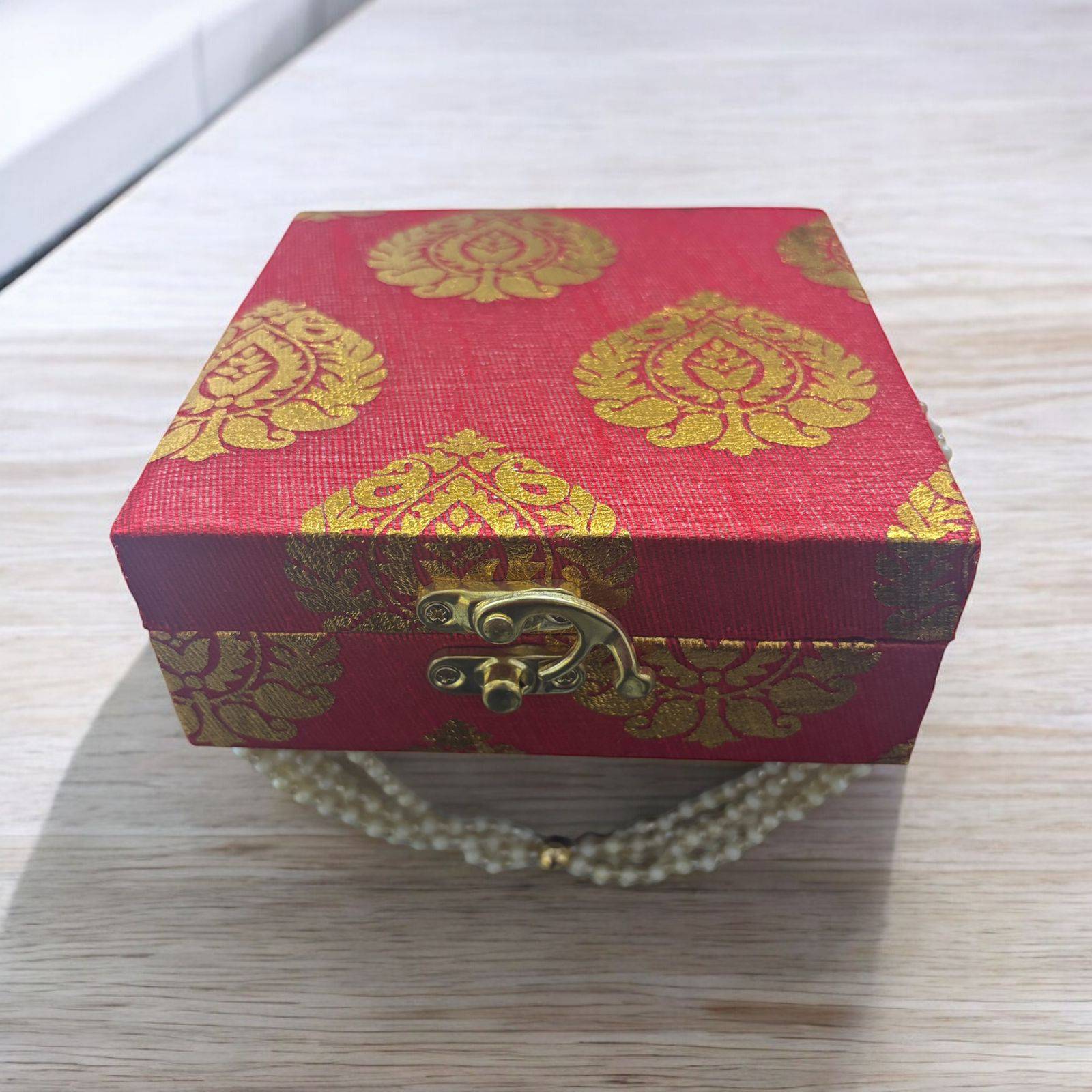
A: The nine forms are Shailputri, Brahmacharini, Chandraghanta, Kushmanda, Skandamata, Katyayani, Kalaratri, Mahagauri, and Siddhidatri, all of which can be symbolically presented in a potli. These forms are honoured from day one to day nine. Each one stands for an exceptional value, such as courage, purity, wisdom, and protecting people from harm.
Q: What is the significance of the colours worn each day of Navratri?
A: Navratri colours each stand for something special. For example, white shows purity. Yellow is for positivity. Red is about bravery. Green means prosperity. During Navratri, devotees wear these colours each day. They want to demonstrate that they possess these good qualities in their lives. This is how people honour goddess Durga and her different forms. Wearing these colours helps them feel a strong, calm spirit and connects them with the goddess.
Q: How is Navratri celebrated differently across regions in the US?
A: Navratri in the US brings together both old and new ways to celebrate. Cities like Houston and Chicago are known for their lively Garba nights and many Durga Puja events. These parties help Indian groups connect and be together. Dancing and temple rituals are a big part of these Navratri and Durga Puja times, making people feel close no matter where they come from.
Q: Are there any popular community events or Garba nights in the US during Navratri?
A: Yes, Navratri festivals are held in the US and are known for big Garba nights in cities like Los Angeles and New York. People celebrate with traditional music and wear colourful clothes. At these events, people from Indian communities come together. There is a lot of culture, and people also join for spiritual reasons.
Q: What is the significance of Dussehra at the end of Navratri?
A: Dussehra is the tenth day of Navratri. This day is about good winning over evil. People remember how Lord Ram defeated Ravana. The festival conveys a message that light can overcome darkness and encourages us to uphold good values. Dussehra inspires us to do the right thing and gives hope to people.