

Key Highlights
-
Dussehra, a major Hindu festival, celebrates the symbolic triumph of good over evil through Lord Rama's victory over demon Ravana and Goddess Durga's triumph over Mahishasura.
-
It marks the tenth day of Navratri and is deeply rooted in the Ramayana and other mythological stories.
-
Effigies of Ravana are burnt, literary performances like Ramlila are staged, and Durga Puja culminates in goddess immersion ceremonies.
-
Rituals such as Shami Puja, Seema Avalanghan, and Aparajita Puja are performed for auspicious beginnings.
-
Regional celebrations span colorful processions, statues of Durga, and vibrant fireworks displays across India, including West Bengal, Mysore, and Himachal Pradesh.
Introduction
Dussehra, which people also call Vijayadashami, is a big Hindu festival in India's Hindu calendar. It takes place on the tenth day of Navratri. This day shows how good wins over bad. People remember how Lord Rama beat Ravana and how Goddess Durga won over Mahishasura. There are many ways to celebrate, like special prayers, cultural events, and burning models of Ravana. People in different parts of India have their own ways to mark this holy day. Let's talk about the date of Dussehra, what it means, and the special customs for this major Hindu festival in 2025.
Dussehra 2025 Date, Muhurat, and Calendar Highlights
In 2025, Dussehra will be on Thursday, October 2. It is marked on the Hindu calendar's Dashami Tithi and falls in the month of October on the Gregorian calendar. This day is also in the Durga Puja calendar and marks the end of Navratri.
The important Aparahna Puja Muhurat starts at 1:13 PM and goes on until 3:30 PM. During this time, people follow some age-old rituals with a lot of joy and spirit, like Seema Avalanghan, Shami Puja, and Aparajita Puja. These Hindu customs from Durga Puja day are a big part of the spiritual and cultural purpose of Dussehra.
When is Dussehra Celebrated in 2025?
Dussehra 2025 falls on Thursday, October 2, in the Hindu calendar, marking the Dashami Tithi. Here's a detailed date table for clarity:
|
Event |
Date |
Muhurat Timing |
|
Dashami Tithi Begins |
October 1, 2025 |
09:31 AM |
|
Dashami Tithi Ends |
October 2, 2025 |
09:40 AM |
|
Aparahna Puja Muhurat |
October 2, 2025 |
01:13 PM – 03:30 PM |
Recognized as the tenth day in the Shukla Paksha period of Ashwin month, the festival aligns with Navratri's culmination and Durga Puja farewells. While the Hindu calendar determines its day, it often varies from dates in the Gregorian calendar, holding cultural and mythological significance.
Whether in Northern India for effigy burning or Southern India for traditional customs, Dussehra 2025 celebrates spiritual triumphs.
Key Auspicious Timings and Rituals
On Dussehra 2025, doing rituals at the right time is important. The Aparahna Muhurat is from 01:13 PM to 03:30 PM. This is the best time for many special puja and ceremonies. During this time:
-
Seema Avalanghan means crossing a line or border to show bravery.
-
Shami Puja is the worship of the Shami tree, which has a place in old stories and is respected in India.
-
Aparajita Puja is done to honor the goddess Aparajita, and people pray to her for the gift of never losing.
-
Effigy Burning is when an image of Ravana is set on fire, showing that good wins over bad.
All these Dussehra rituals help people feel like it is a fresh start. These pujas make people strong in spirit. In India, different groups do their own puja, but the festival's meaning remains the same for all. Dussehra follows the Dashami Tithi Muhurat, so the right time in the stars goes together with the spiritual side of the festival.
The Mythological Story Behind Dussehra
Dussehra has its roots in the Ramayana and other ancient Hindu tales. It marks the victory of Lord Rama over Ravana and Goddess Durga's triumph over Mahishasura. Rama's battle, aided by Hanuman and the vanaras, follows Sita's abduction. Durga's nine-day fight ends in the defeat of the demon Mahishasura. Both stories highlight the triumph of good over evil.
The Victory of Lord Rama Over Ravana
The story of Lord Rama defeating demon Ravana is at the heart of the Ramayana and is a big part of Dussehra celebrations. In the tale, Ravana takes Sita, and this makes Rama set out to get her back. He is helped by Lakshmana and the monkey army, led by Hanuman. In the end, Rama prays to Goddess Durga and, with her help, takes down Ravana by shooting a burning arrow at his ten heads. This big win is enjoyed with:
-
Burning Effigies that stand for Ravana and his friends.
-
Putting on the Ramlila, which brings back the brave acts of Rama.
-
Doing rituals that show faith in the idea of justice in the world.
The festival brings together old values and new thoughts, showing good defeating evil. In many parts of India, these shows with big effigies light up the night, showing how this ancient tale comes to an end.
Goddess Durga's Triumph Over Mahishasura
Durga's win over Mahishasura is at the heart of Dussehra's spiritual meaning. For nine days, the goddess fights the buffalo demon by taking on strong and fierce forms. She uses her many sides as Chandraghanta, Kalaratri, and Katyayani to show her power and care. After this battle, she brings back peace.
Festivities include:
-
Immersing statues of Durga in rivers to show her leaving.
-
Doing Sindoor Khela, where women come together and celebrate their own strong spirit.
-
Worshipping Durga with many offerings and special Durga Puja rituals.
This victory lights a path of hope and strength. It brings people across India together each year during the Hindu festival calendar. The moment reminds us to stay united and strong in tough times. Dussehra, like Durga Puja, honors the goddess and her will to protect us all.
Cultural and Spiritual Significance of Dussehra
Dussehra is not only about stories from the past. It is about the idea of good winning over evil and people finding a better path in life. The festival shows the core parts of Hinduism, like being brave and fair, while also being a colorful and lively time. People share leaves from the Shami tree to show friendship. They also take part in important spiritual rituals such as yoga and puja.
This festival is a time when well-known deities, such as Lord Rama and Goddess Durga, push people to change for the better. People around the area join in big walks, watch bright fireworks, and listen to musical hymns. So, the meaning of Dussehra reaches into the way people act with others and look at their own lives.
Symbolism of Good Over Evil
The heart of Dussehra is about how good always wins over evil. You see this in the stories of Lord Rama defeating Ravana and Durga winning against Mahishasura. These stories show us that there is always justice and that right actions matter in Hinduism. They also teach us to be better and clean up our own lives.
Every year, people burn the effigies of Ravana. This shows that evil cannot last. Colorful shows and plays tell us about the real-life struggles people face to do the right thing. Rituals like Shami Puja show the power to keep going, no matter what. Religious parades help bring people together. This day tells us that doing good always wins in the end.
Importance in the Hindu Calendar
Dussehra is a big day in the Hindu calendar. People celebrate it on the Dashami Tithi, which falls during the Shukla Paksha. This happens around September or October every year. The festival marks the end of Navratri. It remembers Durga's win and also tells the story of Rama's victory over Ravana.
As a major Hindu festival, the tenth day is all about new starts and good things. People believe it is a good time to begin new work and to look forward with hope. Temples are full of devotees who come for pujas. People give gifts and take part in fun, happy traditions with their friends and family. The festival joins together old stories, faith, and parts of astrology. The heart of Dussehra is both cultural and full of spirituality. People remember the great things that the gods did to help everyone.
Dussehra Sweets and Snacks
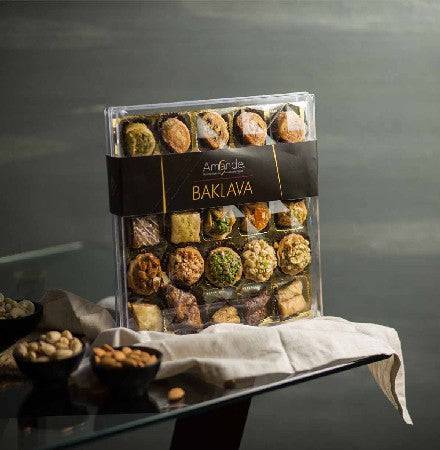
Sweets and snacks are a big part of Dussehra celebrations. You'll find these tasty treats in every home, temple, and on the streets during the festival, showcasing the unique food traditions of the season.
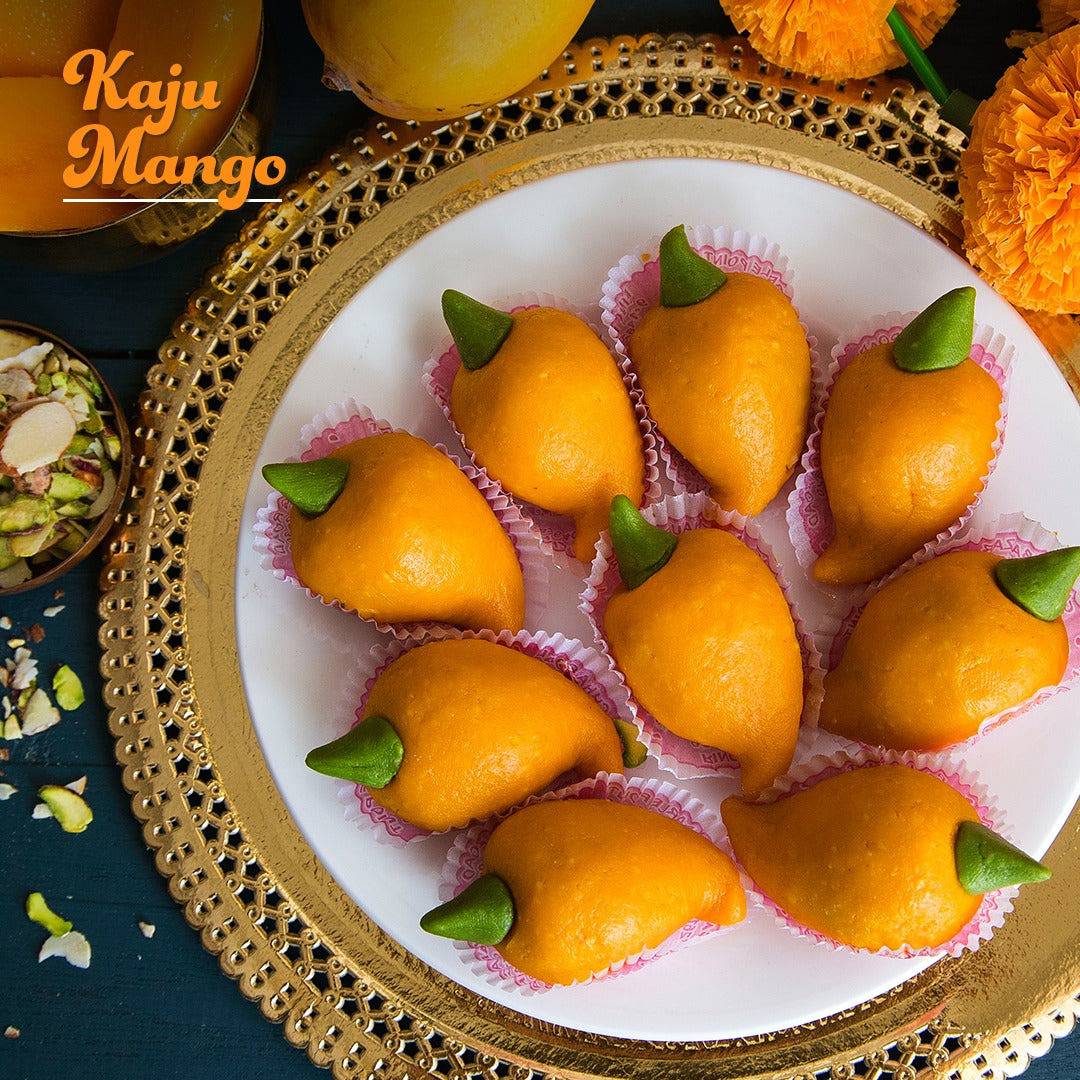
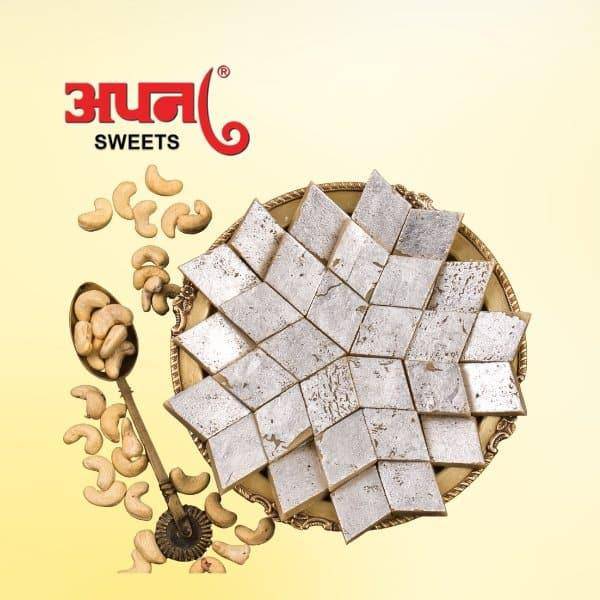
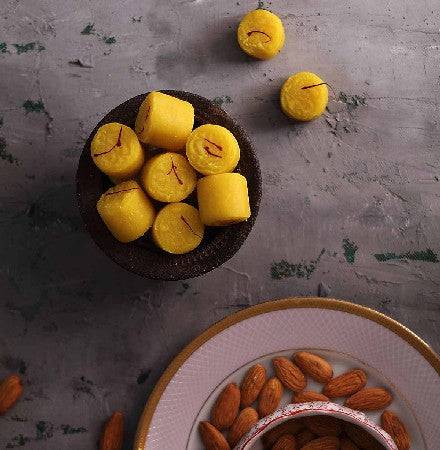
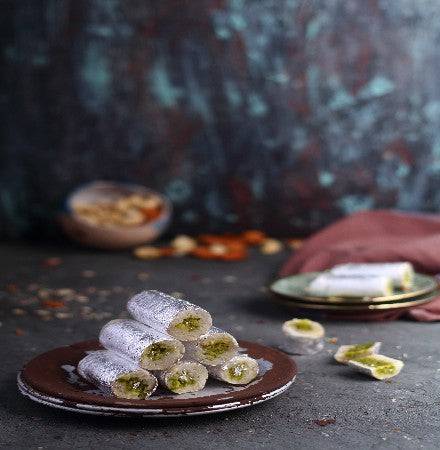
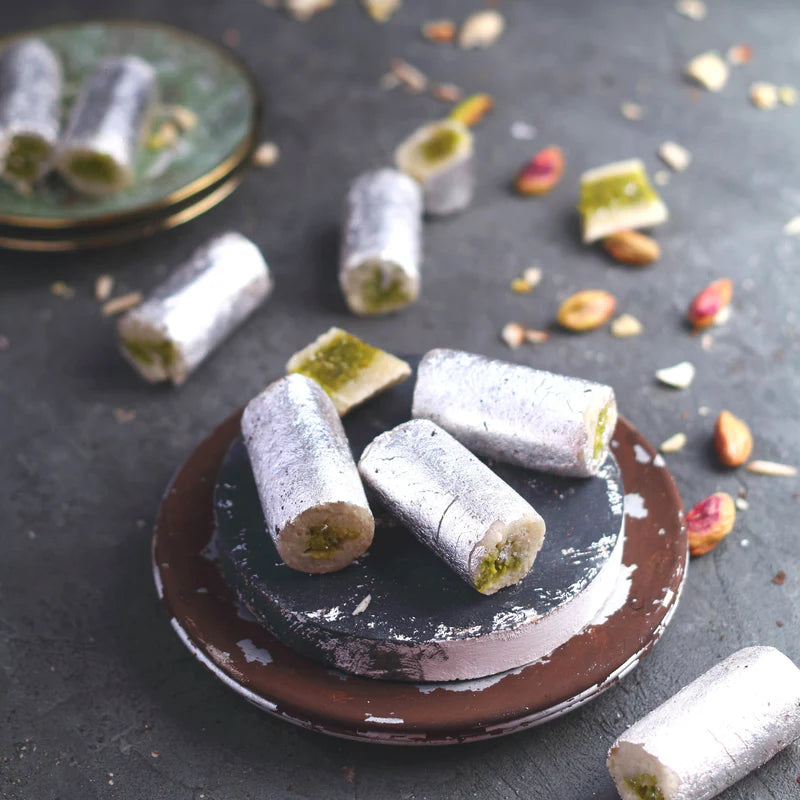
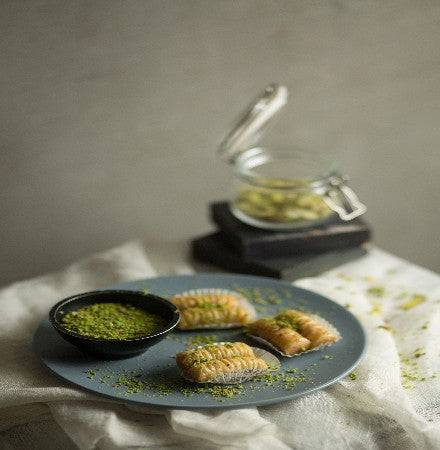
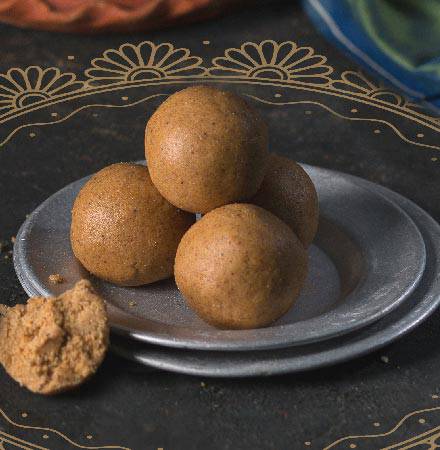
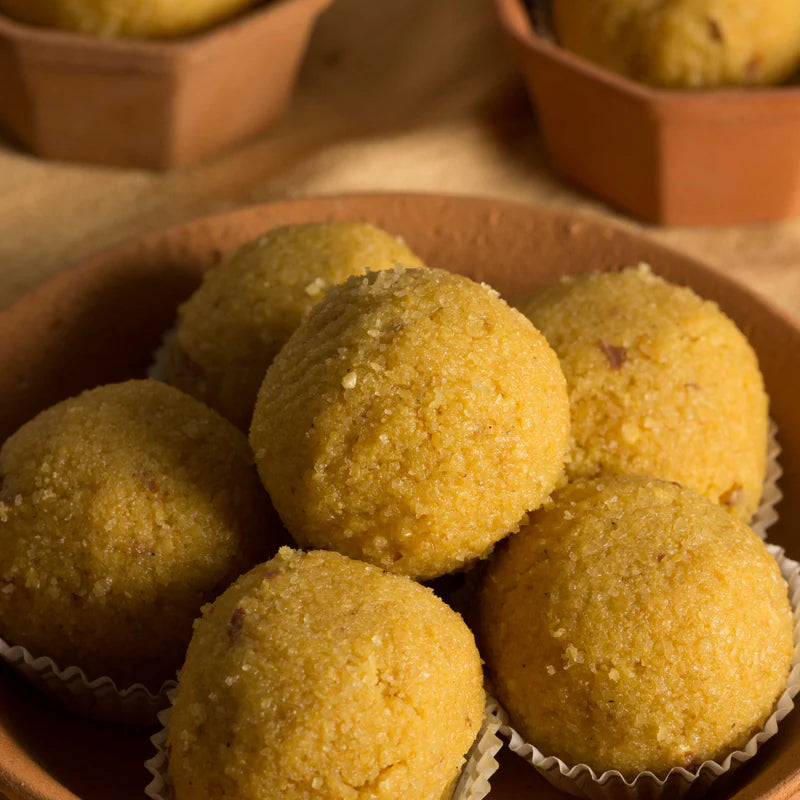
Popular sweets include kheer, modaks, jalebi,kaju Katli, gulab jamun, and besan laddoo. In South India, payasam and mysore pak are favorites, while North Indians enjoy balushahi and peda. Many people prepare special modaks as an offering to Goddess Durga.
When it comes to snacks, Kachori, murukku, and pakoras are enjoyed across regions. In Bengal, you'll find crispy luchi paired with spicy alur dom, a must-have during festive meals.
Each region has its specialities that reflect local customs. Sharing these dishes with guests and decorating homes with warmth makes the festival more joyful. The diverse flavors of Dussehra food symbolize unity, celebration, and the sweetness of togetherness.
Regional Variations in Dussehra Celebrations Across India
India has many kinds of people and ways of life, and this really shows during Dussehra. The state of West Bengal is well known for its huge Durga Puja, while Mysore lights up its big palaces. Every state has its way to celebrate. Delhi has large Ramlila shows, and in the Kullu valley of Himachal Pradesh, there are grand parades that many people go to see.
Varanasi has riverside rituals that are special, and in Karnataka, there are parades where deities are carried out through the streets. All of these events are full of energy and spirit. Dussehra mixes dance, drama, and the burning of effigies. The celebrations bring people together all over the nation. They show the many ways people in India see and feel this Hindu festival.
Unique Traditions in Northern and Western India
Northern India marks Dussehra with big Ramlila performances and burning a tall Ravana figure. People also hear special stories from the Ramayana. In cities like Varanasi and Delhi, there are lively shows that go on for a month. At the end, everyone joins happy processions in the street.
Out in the West, states like Gujarat mix color and excitement as they enjoy Navratri with dandiya-raas and garba dances. People do this to show love and faith in the goddess Durga. Every night at sunset, people gather to take part in worship together. Big shared meals, like a banquet, bring people close in love. Even as the two places see these festivals in their own way, the joy and meaning are strong for all who take part. The festive mood is the same everywhere in India, as people honor Dussehra, the goddess Durga, Ravana, and stories from the Ramayana.
Distinct Celebrations in Southern and Eastern India
The southern and eastern regions of India add their own style to Dussehra. In South India, people celebrate with big light-filled processions in Mysore to honor Goddess Durga. They have special ways of marking the festival, like Gombe Habba and Saraswati Puja, which bring together prayer and art.
In the east, and most of all in West Bengal, Durga Puja ends with big moments like Sindoor Khela and putting statues of Durga into rivers. The city of Kolkata fills up with pandals, where you will find music, dancing, and shows. To people in these areas, the statues of Durga show their great faith and love for the Goddess.
Conclusion
As we get ready to enjoy the festival of Dussehra in 2025, it is important to remember the joy, but also the deep meaning this festival has for people in India. The celebration of Dussehra shares strong stories, like how Lord Rama beat Ravana and how Goddess Durga won against Mahishasura. These stories show the fight between good and evil.
In every part of India, people celebrate Dussehra in their own way. This adds something special to all of us when we come together. As you get ready for the day, keep in mind the great sweets and snacks that are part of the joy. When you join your local events and meet your people at Dussehra, you get more out of this time. Enjoy the festival, and Happy Dussehra to you and your loved ones!
Frequently Asked Questions
Q: How long does Dussehra last?
A: Dussehra is the tenth day of Navratri. It is a major Hindu festival. This day is special and often seen as the biggest in Navratri. Every year, people celebrate these ten days with great excitement. The fun starts nine days before Dussehra and goes on with many events, rituals, and fairs. Even though Dussehra is mainly one day, the spirit and energy of the Hindu festival last for ten whole days.
Q: Is Dussehra related to Navratri or Diwali?
A: Yes, Dussehra comes at the end of Navratri. It marks the ninth day with a story of victory. This festival comes twenty days before Diwali. Diwali is when people remember Lord Rama's return to Ayodhya. Dussehra and Diwali are in the Hindu calendar. Both are about good winning over evil. The two big festivals tell us about Lord Rama and what he did. They are very important to many Hindu people.
Q: What are some popular rituals performed on Dussehra?
A: Dussehra has many special rituals. People do Aparajita Puja and Seema Avalanghan. They also show respect to the holy Shami tree at this time. The effigies of Ravana are burnt to show the victory of good over bad. Families come together at temples to take part in puja offerings. This helps everyone remember and share good values.
Q: How is Dussehra celebrated outside India, especially in the US?
A: In the United States, people from the Hindu community come together to enjoy Dussehra. They take part in temple prayer events, watch Ramlila shows, and gather for many activities that show what Hinduism is about. Everyone joins in the fun, effigy burning and group prayers, which helps bring the community together.
Q: What foods are traditionally prepared during Dussehra?
A: Dussehra is a special time for food and fun. Devotees get to enjoy sweets such as kheer and eat tasty snacks like Bengal's luchi and alur dom. On this day, families set up good spreads of food. Their homes have bright home decor, and everyone shows devotion. It is a day to be with people, eat well, and take part in a mix of flavor and tradition.