

Key Highlights
-
Makar Sankranti is a popular Hindu festival marking the sun's transition into the zodiac sign of Makara (Capricorn), celebrated on 14 January 2026.
-
Recognised as a significant harvest festival, it symbolises the end of winter and the beginning of the new agricultural season across India.
-
The festival is based on the solar calendar, unlike most Hindu festivals that follow the lunar calendar.
-
Makar Sankranti celebrations feature holy dips, kite flying, and the preparation of sesame seed-based sweets.
-
Festivities and rituals vary across different Indian states, reflecting unique regional customs and traditions.
-
The event is deeply rooted in Hindu mythology and agricultural practices, making it both a religious and social occasion.
Introduction
Makar Sankranti is a very well-known Hindu festival. People celebrate it with joy and respect to honor the Sun God. This festival takes place in January each year. It is special because it marks the movement of the sun into Capricorn. This change means the days start to get longer, and it starts a new agricultural cycle.
During Makar Sankranti, families get together to pray, eat traditional foods, and enjoy the harvest. The festival shows the good spirit of renewal and gratitude. It is what many Hindu festivals are about.
When is Makar Sankranti in 2026?
Makar Sankranti will be celebrated on January 14, 2026, at 2:49 PM IST. This festival marks the transition of the sun into Capricorn and is significant for its astrological implications. The exact timing may vary based on local traditions and astronomical calculations, so it's essential to check local muhurat details.
Date: Wednesday, 14 January 2026
Exact Sun's Entry (Sankranti Moment): 14:49:42 IST
Punya Kala (Auspicious Window):
-
14:49:42 – 17:45:10 (full window)
-
14:49:42 – 15:13:42 (Mahapunya Kaal or most auspicious)
Astrological Significance and Muhurat for 2026
Astrological insights reveal that the transitional movement of the sun into the zodiac sign of Makara marks a significant change, heralding the auspicious day of Makar Sankranti. This pivotal moment in the solar calendar emphasizes the divine connection with Lord Surya, symbolizing new beginnings and a fruitful harvest season. The Muhurat for rituals on this sacred day falls around early morning hours, offering an ideal period for devotees to perform spiritual practices, ensuring blessings for a prosperous year ahead.
Why Does the Date Change Annually? Scientific Explanation
The date of Makar Sankranti changes annually due to its alignment with the solar calendar rather than the lunar calendar. As the sun’s position shifts, Makar Sankranti is celebrated when the sun moves into Capricorn, resulting in variations in the Gregorian calendar dates.
Historical Origins and Legends of Makar Sankranti
The history of Makar Sankranti goes way back to ancient times. It has strong roots in Hindu mythology and old farming practices. You can find mentions of this festival in important books like the Mahabharata and the Puranas. Some stories say the festival is about the Sun God visiting his son, Lord Shani. Other stories talk about the goddess Sankranti and how she won a fight against the demon Sankarasur. These stories, along with old ways of celebrating the new harvest, help us understand why people do certain things on Makar Sankranti day. The festival brings together the past beliefs, the Sun God, and the farming year for those who celebrate it.
Myths and Stories Associated with the Festival
Many stories and old beliefs make Makar Sankranti a rich festival in India. One well-known story from Hindu mythology is about Lord Surya, the sun god. On this day, he goes to see his son, Lord Shani, who rules Capricorn. People say the two did not always get along, but this meeting helped bring them together. So, families use the festival as a chance to become closer. The festival stands for fixing relationships and for family unity.
There are other stories, too, about good winning over evil. For example, one story says goddess Sankranti beat a demon called Sankarasur, which stands for getting rid of darkness. Another legend talks about Lord Vishnu defeating bad spirits. He puts them under the Mandara Parvat. All these tales help people see Makar Sankranti as a good and positive day. They also tell us to let go of bad thoughts and look forward to the new year with hope and joy. The festival is full of happiness and deep feelings for those who take part.
Symbolic Meaning and Importance
Makar Sankranti is an important and auspicious day in the Hindu calendar. People link this festival with hopes of a good harvest and believe that light wins over darkness at this time. The meaning of this day comes from the transition of the sun into Capricorn. Many think that this time brings a fresh start, more chances to grow, and a lot of prosperity.
On this day, people follow spiritual practices to make the most of the festival. Offerings to the Sun God and acts of charity are standard. Many people take a holy dip in sacred rivers, as they believe this action washes away sins. Sweets made from sesame seeds and jaggery are shared between friends and family. This is done to show the warmth two people feel in their relationship. As the festival happens with the start of the agricultural cycle, people give thanks for their good harvest and all the hard work that brought produce to their homes. Because of all this, Makar Sankranti is not just about seeing changes in nature. It is also about growth in personal lives, which makes this festival special for many, all over India.
Traditional Rituals, Puja Vidhi, and Foods
Celebrating Makar Sankranti is a mix of faith rituals and good food. People clean the home first. They offer prayers to lord surya and other gods. Special dishes with sesame seeds and jaggery are made. Many people also take a holy dip in rivers, as told in Hindu scriptures. On this day, people give prasad and do charity. All these things help people feel closer to god and to each other during the Sankranti festival.
Step-by-Step Guide to Celebrating Makar Sankranti
Celebrating Makar Sankranti is about doing a few simple spiritual practices and rituals that make the festival feel special:
-
The first step is to clean the home and set up a neat space to worship.
-
Set out idols or photos of Lord Ganesha, Lord Shiva, Goddess Laxmi, and Lord Vishnu. Put fruits, flowers, sweets, and incense for them.
-
Say prayers and chant mantras for the Sun God. People do this while facing toward the east.
-
Finish by doing an aarti and share prasad made with sesame seeds and jaggery with family and friends.
Many people also take a holy dip in rivers on this day. This is believed to wash away sins. Giving things like food or utensils to others is a big part of the Sankranti festival. People think this brings good luck. When you do these things, you make Makar Sankranti feel warm and filled with good energy.
Makar Sankranti celebrations in different parts of India:
The Makar Sankranti festival is celebrated in different ways across parts of India. People follow special customs to match the harvest season in their states.
-
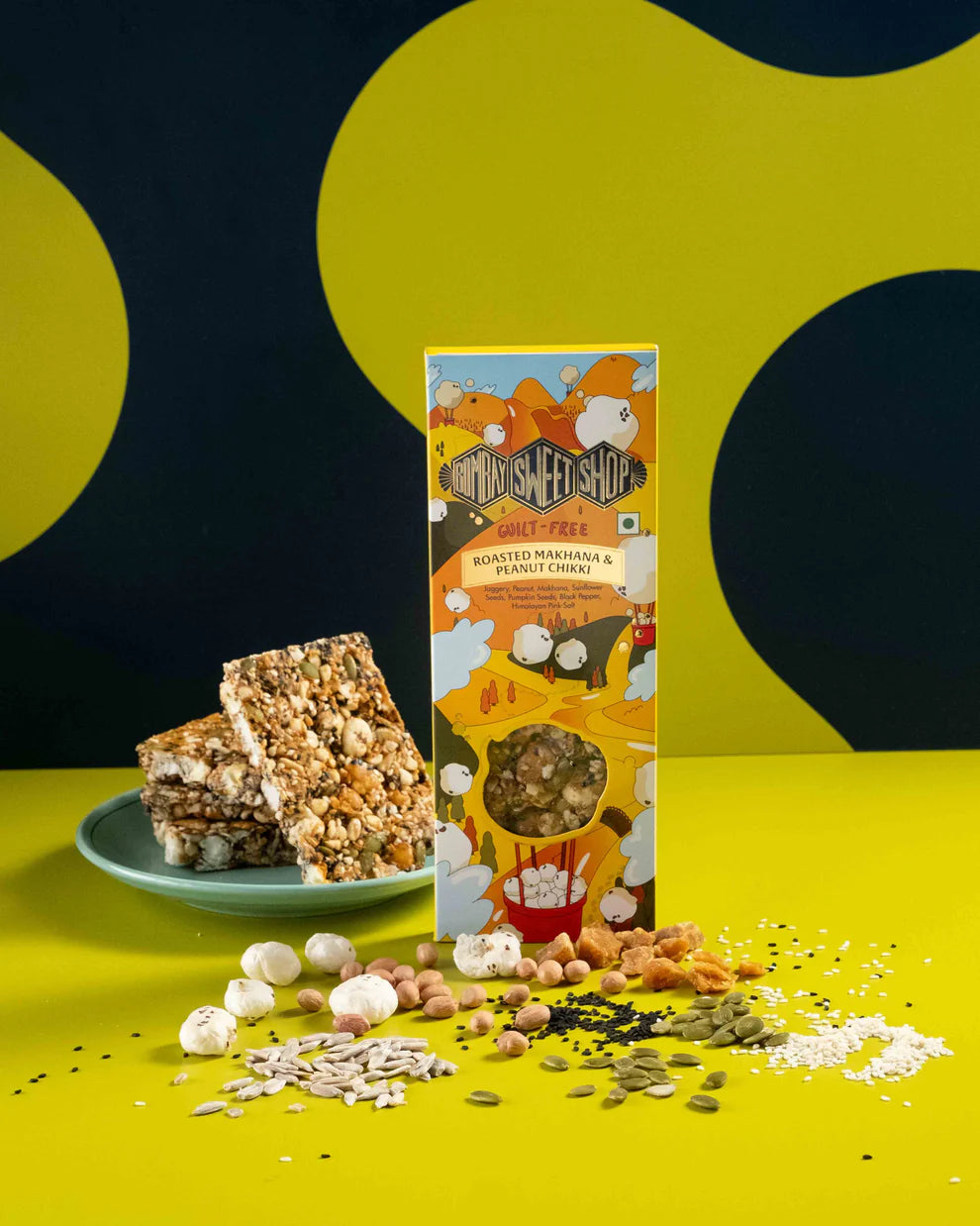
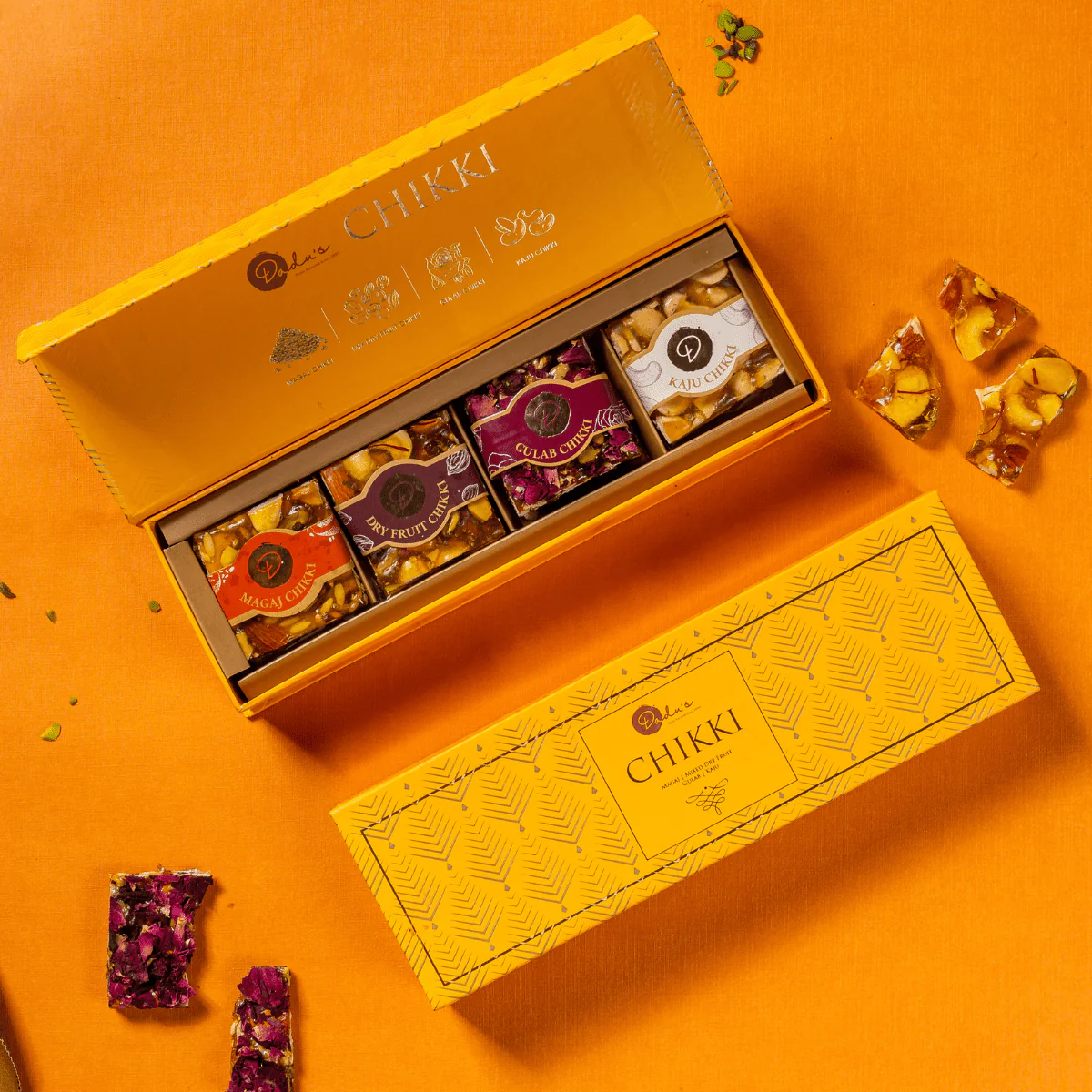
In Gujarat, people have Uttarayan. They fly kites and eat tasty food like undhiyu and chikki.
-
Tamil Nadu celebrates Thai Pongal. This is a four-day festival. People cook a sweet rice meal called Pongal and also thank and honor farm animals.
-
Assam holds Bhogali Bihu. Families come together to share big meals and play games. In Maharashtra, people say happy Makar Sankranti by giving til-gud, which are sweets made of sesame and jaggery.
Punjab's Lohri happens right before Makar Sankranti. There are bonfires and folk songs that show the state's love for farming. The many styles of the Sankranti festival in different Indian states show how the event changes from state to state. All these rituals help make the 2026 Makar Sankranti festival feel rich with old and new traditions. Each region adds its own special touch to the celebrations.
Regional Variations in Celebrations Across India
Across India, people know Makar Sankranti by different names. In western India, it's called Uttarayan. In Tamil Nadu, people celebrate it as Thai Pongal. Over in the east, people in Assam have Bhogali Bihu. Every part of the country changes the festival a bit to fit in with its own ways, which makes each Makar Sankranti celebration special. The festive season in India comes with many customs, foods, and activities. For example, you will see people flying kites in Gujarat and enjoying large feasts in Tamil Nadu. All of these ways make Makar Sankranti celebrations more colorful and show how different people in India can be, while still coming together for the same festival.
How Makar Sankranti is Celebrated Globally by Indians
Makar Sankranti resonates deeply within the Indian diaspora, transforming into vibrant celebrations across continents. In the United States, communities gather for festive fairs, showcasing traditional foods such as sesame sweets and organizing kite-flying contests, embodying the spirit of the harvest festival. Similarly, in Australia, families commemorate the transition of the sun through spiritual practices, sharing rituals reminiscent of their homeland. This global expression underscores the cultural significance of Sankranti, connecting generations through shared heritage and joyous festivities across regions.
What are the traditional foods prepared and enjoyed during Makar Sankranti?
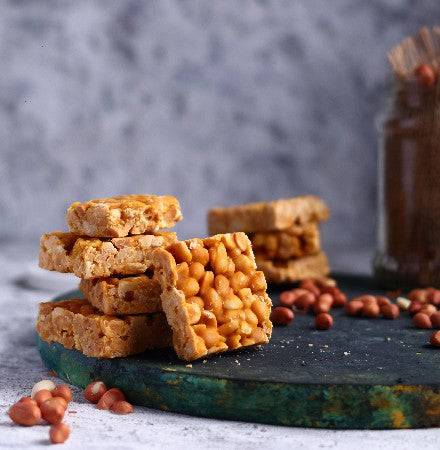
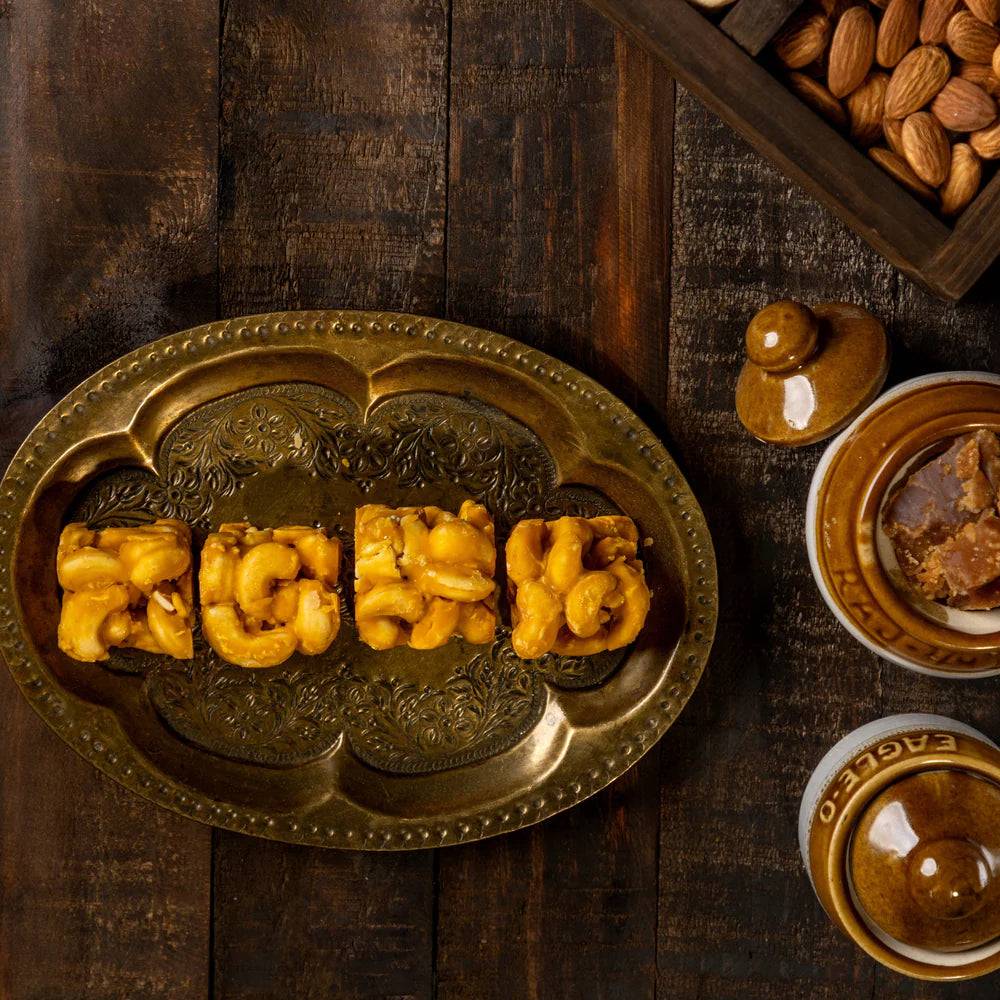
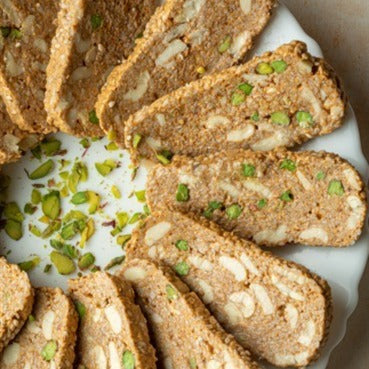
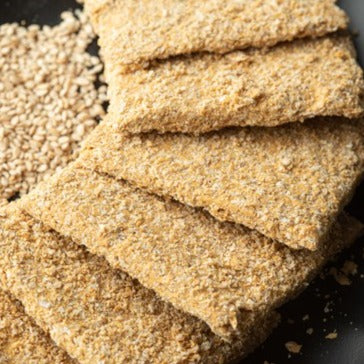
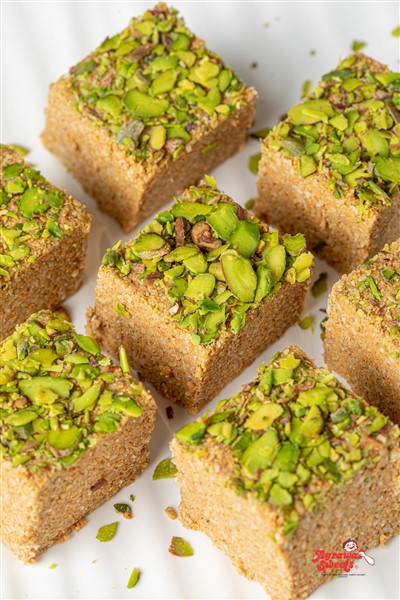
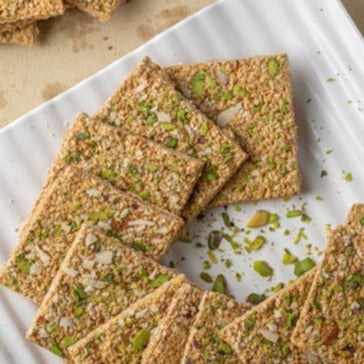
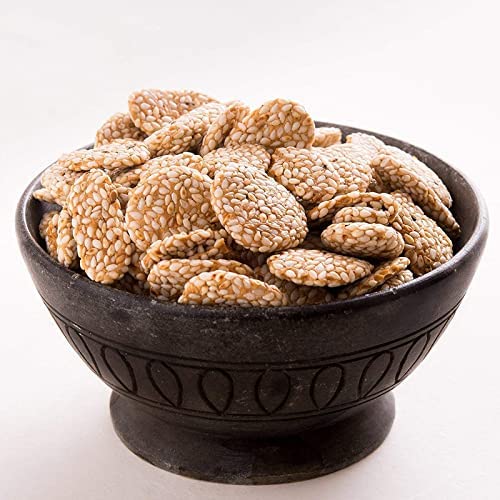
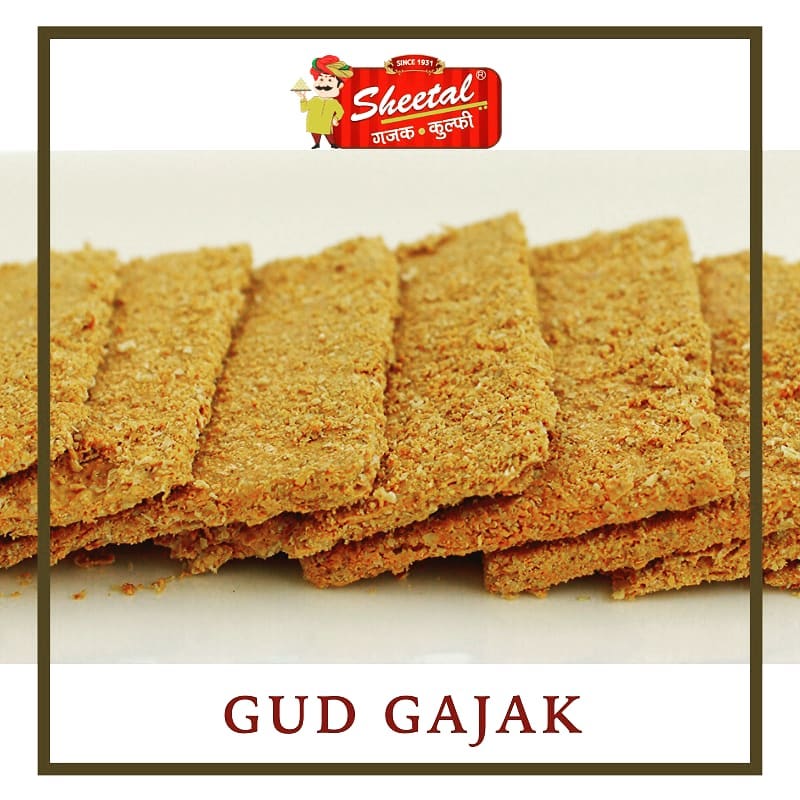
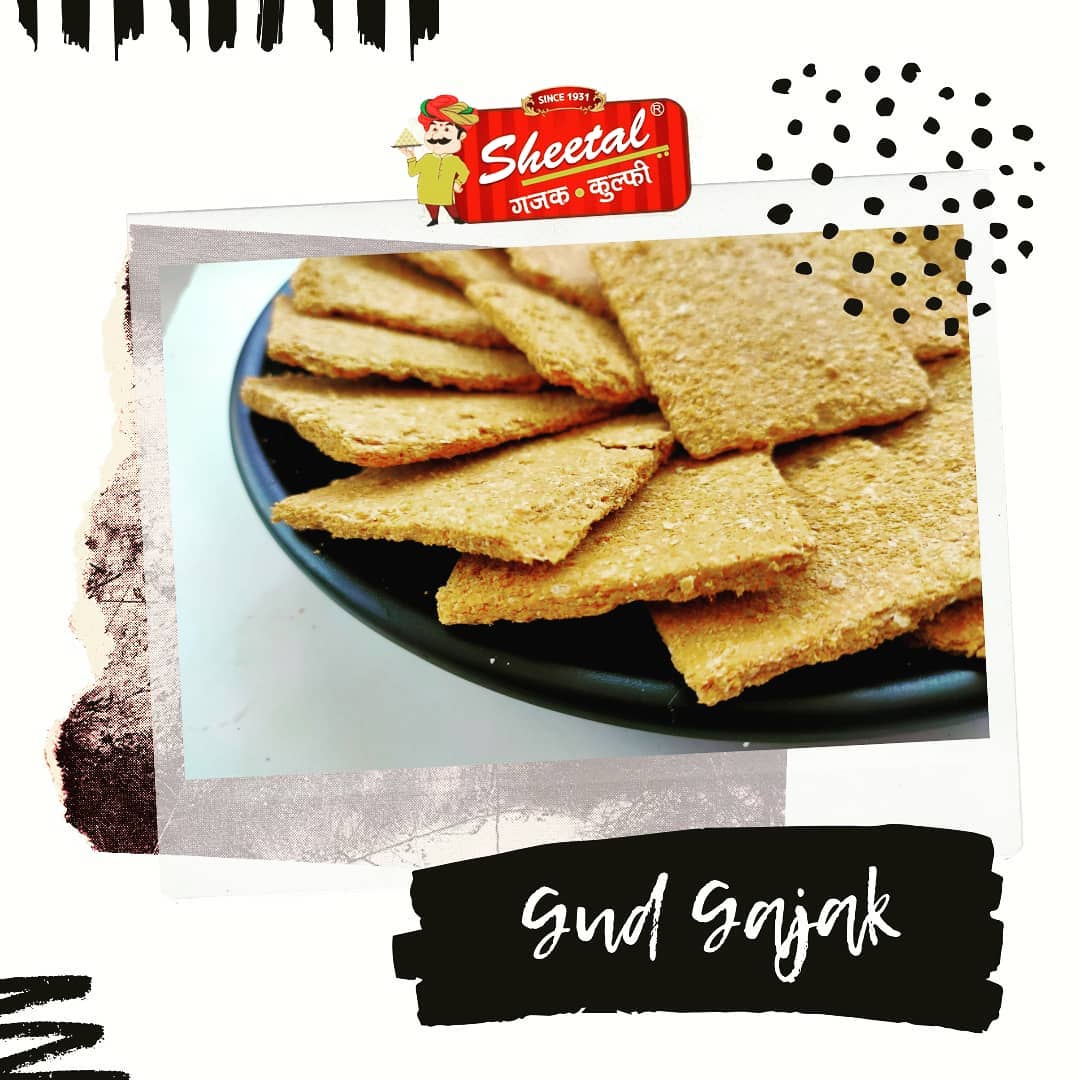
Traditional foods play a big part in Makar Sankranti celebrations. People enjoy sweets and dishes that stand for warmth and plenty. The main things used are sesame seeds (til) and jaggery (gur). Many believe that they help keep the body warm in winter. In northern India, you will find til laddoos and gajak—people in Maharashtra share tilgul and puran poli with others to show goodwill.
In Tamil Nadu, people call this time Thai Pongal. They make a special dish called Pongal with new rice and lentils. In Assam, during Bhogali Bihu, people eat rice cakes and sweets with coconut. In Karnataka, families and friends give each other ellu-bella mix, which is made from sesame, jaggery, coconut, and peanuts. All these foods use the harvest of the season. They not only taste good, but they also show the spirit of thankfulness and being together that are at the heart of the festival.
Conclusion
Makar Sankranti is a festival with a lot of history. The traditions and customs show how different the culture in India can be. People celebrate Makar Sankranti with lots of joy and excitement. On this day, the sun starts to move into the zodiac sign of Capricorn. This means the end of winter and the start of days that are longer.
The foods made for Makar Sankranti are special and taste good. Each state has its own way to celebrate and follow the rituals. Makar Sankranti is a time for people to gather and share happiness.
In 2026, take some time to enjoy the festival your way. You can do the traditional things, try new recipes, or just learn more about the transition of the sun and the zodiac sign connected to the festival. Check back often for ideas, tips, recipes, and more about Makar Sankranti as the end of winter comes and the festival brings us all together.
Frequently Asked Questions
Q: Is Makar Sankranti a national or state holiday in India in 2026?
A: Makar Sankranti is not a national holiday. But in many states of India, this day is a government holiday, especially where there is a large Hindu community. The date for the festival is 14 January 2026. It is celebrated as a popular holiday in places like Maharashtra, Gujarat, and Tamil Nadu.
Q: What foods are traditionally prepared for Makar Sankranti?
A: The foods people eat for Makar Sankranti often have sesame seeds and jaggery in them. You can find sweets like til laddoos and chikki at this time. In Tamil Nadu, many people make Thai Pongal to celebrate this harvest festival. Others in Maharashtra make puran poli and have it with their family and friends. These dishes show how special the festival is for everyone.
Q: How is Makar Sankranti celebrated outside India?
A: Makar Sankranti is celebrated by people from India who live outside the country, especially in the United States and Australia. These communities come together for prayers, eat traditional food, and take part in activities from their culture. They do this to keep the spirit of Hindu festivals alive and to share the happiness of Makar Sankranti celebrations with others.
Q: Is Makar Sankranti celebrated outside of India?
A: Yes, Makar Sankranti is a popular Hindu festival that people from India celebrate in other places too. You will find Indian communities in the United States and the Netherlands also mark this day. Many people take part with the same excitement that you see in different Indian states. There are rituals, special foods, and people come together to enjoy the time.
Q: What are the tasty dishes prepared for Makar Sankranti?
A: During Makar Sankranti, people make and enjoy tasty dishes that use sesame seeds and jaggery. Some of the popular treats are til laddoos, chikki, and gajak. In southern India, families come together to enjoy Thai Pongal. This is a sweet rice dish made with the harvest of the season, and it is a big part of the festival celebrations.