 Ever feel like your meals are missing something, but you're not quite sure what? If you aim to live healthier, feel lighter, or boost your energy, super seeds are the tiny change with a significant impact you've been looking for.
At first glance, seeds might not look like much. But trust us—they're little nutritional powerhouses packed with protein, fiber, antioxidants, and healthy fats. In this guide, we're diving into the best seeds for health, how to enjoy them, and why adding a spoonful daily can make a big difference in how you feel.
Real Benefits of Eating Seeds Daily
-
Stronger immunity thanks to antioxidants in seeds
-
Improved digestion with high-fiber seeds like flax and chia
-
Better heart health from omega-3-rich seeds
-
Weight management through fiber and protein
-
More energy from essential vitamins and minerals
1. Flax Seeds – For a Happy Heart and Healthy Digestion
Flax seeds should be at the top if you're looking for high fiber seeds for digestion. These omega-3-rich seeds support heart health, reduce inflammation, and help with hormonal balance.
How to eat: Ground flax seeds are easier to digest—sprinkle them on your morning oats, smoothies, or dosa batter.

2. Chia Seeds – Tiny but Mighty
Don't be fooled by their size. Chia seeds are loaded with fiber, plant-based protein, and antioxidants. They help you stay full longer, making them one of the best weight-loss seeds.
How to eat: Soak them overnight to make chia pudding, or just toss them into your lemon water for a fun, jelly-like texture.

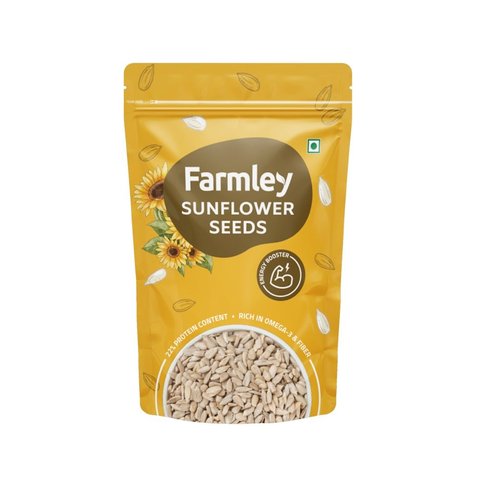
3. Sunflower Seeds – Your Skin's New Best Friend
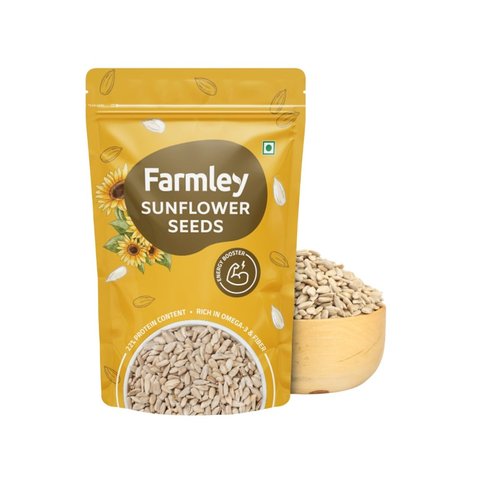
These crunchy little sunflower seeds are rich in vitamin E, selenium, and healthy fats. Whether you want glowing skin or a stronger immune system, sunflower seeds' benefits make them a must-add to your diet.
How to eat: Snack on them roasted or add them as a topping to salads and smoothie bowls.

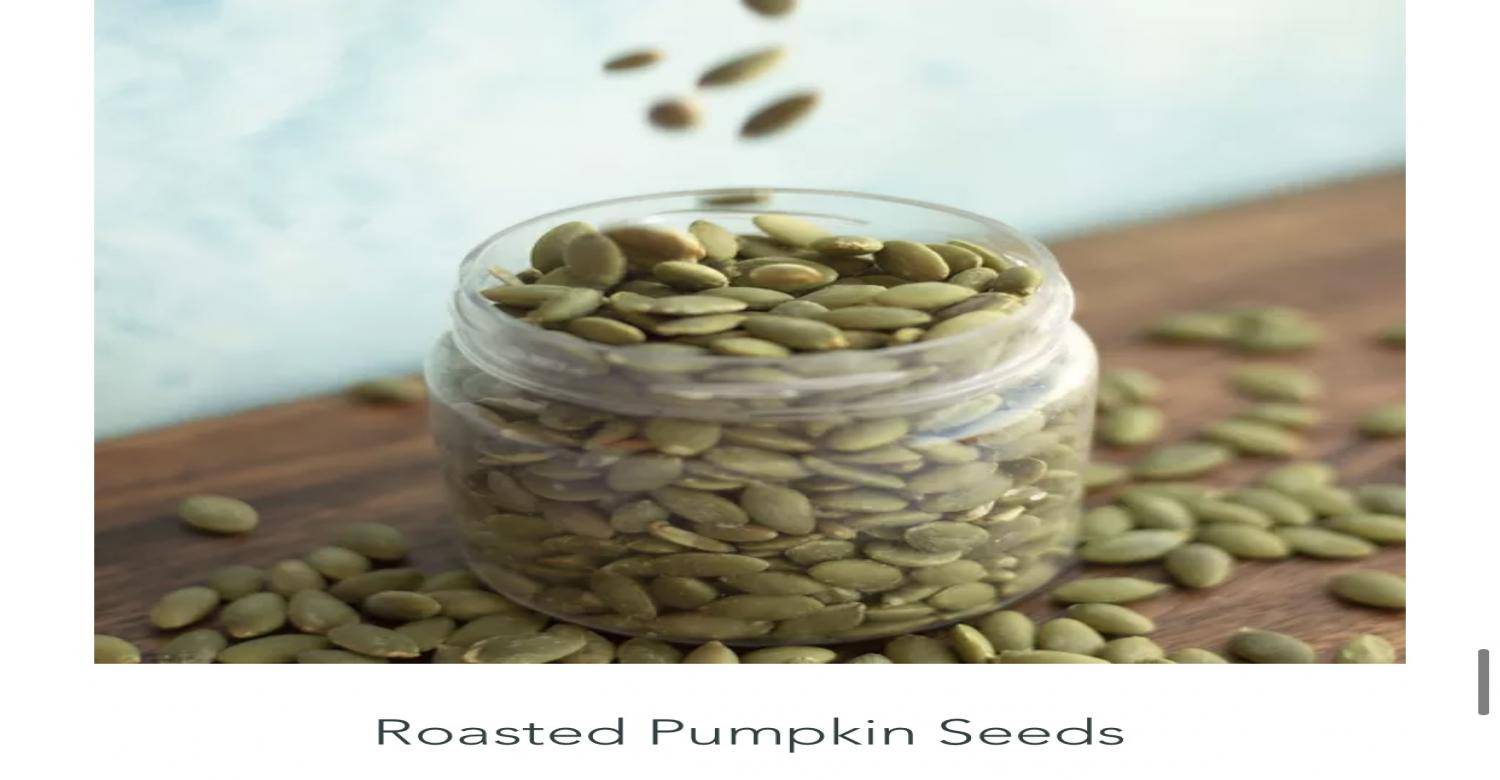
4. Pumpkin Seeds – A Snack with a Punch
Looking for a midday snack that's good for you? Pumpkin seeds (aka pepitas) are high in magnesium and zinc and rich in protein.
How to eat: Roast them with a pinch of sea salt or toss them into your trail mix or soup.

5. Hemp Seeds – Soft, Nutty, and Super Nutritious
Hemp seeds are a complete plant-based protein source, meaning they've got all nine essential amino acids. Perfect if you're a vegetarian or just looking to up your protein game.
How to eat: Stir them into yogurt, smoothies, or even blend them into homemade sauces.

6. Sesame Seeds – A Desi Essential with Global Appeal
Used for centuries in Indian kitchens, sesame seeds are rich in calcium and antioxidants. They're perfect for bone health and reducing oxidative stress.
How to eat: Add to chutneys, sprinkle over stir-fries, or enjoy in the form of tahini.

7. Quinoa Seeds – More Than Just a Fancy Grain
Surprise! Quinoa is a seed, not a grain, packed with fiber, iron, and complete protein. It's ideal for lunch bowls or hearty salads.
How to eat: Cook like rice and use it as a meal base instead of regular grains.

8. Pomegranate Seeds – Juicy, Sweet, and Good for Your Heart
These antioxidant-packed seeds don't just taste amazing—they also help fight inflammation and support heart health.
How to eat: Toss them over salads, blend them into smoothies, or enjoy them as a refreshing snack.

9. Cumin Seeds – A Digestive Delight
If you have ever heard your mom say, "Jeera water is good for digestion," she wasn't wrong. Cumin seeds improve metabolism, digestion, and even blood sugar regulation.
How to eat: Roast and boil in water to make jeera tea or use in daily cooking for a subtle, earthy flavor.

10. Fennel Seeds – Sweet Finish, Strong Benefits
Fennel Seeds Known in India as "saunf," these seeds are often eaten after meals, and for good reason. They reduce bloating, freshen breath, and support hormone balance.
How to eat: Chew after meals, or brew into a soothing digestive tea.

Why Mixing Seeds Is a Game-Changer
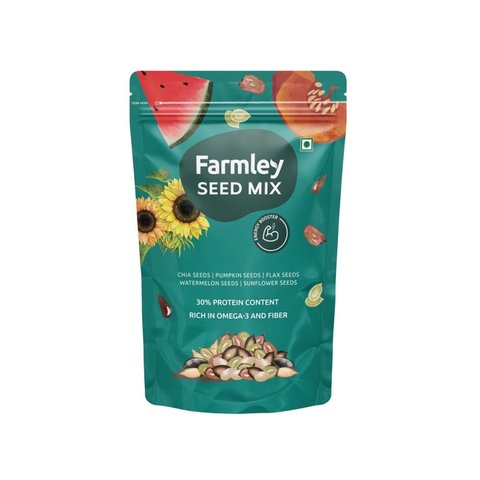
Can't choose just one? You don't have to! Creating a mix of seeds—like flax, sunflower, chia, and pumpkin—gives you a wide range of nutrients in one spoonful. A daily seed mix supports everything from digestion and weight loss to heart and skin health.
Tip: Prepare a jar of your favorite seed mix at home and keep it handy. Add a spoonful to your breakfast, smoothie, or just eat as is!
How to Eat Seeds for Health (Without Overthinking It)
You don't need fancy recipes or expensive superfoods. Just start small. Add seeds into your daily routine and let the results speak for themselves.
Here are a few easy ways:
-
Blend them into smoothies
-
Add to chapati dough or idli batter.
-
Sprinkle over fruits, salads, or yogurt.
-
Make a dry-roasted mix for snacking.
-
Soak overnight and eat on an empty stomach.
Final Thoughts: Small Seeds, Big Impact
Sometimes, the simplest changes make the most significant difference. Incorporating super seeds into your daily routine doesn't require a diet overhaul—it just takes consistency and a bit of creativity.
Whether the flax seeds' benefits for your heart or the sunflower seeds' benefits for your skin, these tiny nutritional treasures deserve a spot in your kitchen (and on your plate!).
So, which seed are you trying first?
Frequently Asked Questions (FAQ)
Q: How many seeds should I eat daily to see health benefits?
A: A small serving, about 1–2 tablespoons of a single seed or a mix, is enough to reap the nutritional benefits. Start with a teaspoon if you're new to seeds and gradually increase.
Q: What's the best time of day to eat seeds?
A: There's no strict rule, but eating seeds in the morning (e.g., in smoothies or oatmeal) or as a snack can provide sustained energy and digestive benefits throughout the day.
Q: Which seeds are best for weight loss?
A: Chia, flax, and hemp seeds are great for weight loss due to their high fiber and protein content, which promote fullness. Start with 1–2 tablespoons daily in smoothies or salads.
Q: Can I mix different seeds?
A: Absolutely! Mixing seeds like flax, chia, sunflower, and pumpkin provides a broader range of nutrients. Store a pre-mixed jar for convenience and add to meals daily.
Q: Do seeds need to be soaked before eating?
A: Soaking chia and flax seeds enhances their digestibility and nutrient availability. Other seeds like sunflower or pumpkin can be eaten as is, but soaking reduces phytic acid, which may bind to minerals.
Q: Are seeds safe for kids to eat?
A: Seeds are generally safe for kids in small amounts, but they should be ground or soaked for younger children to avoid choking and improve digestion. Consult a pediatrician for specific advice.