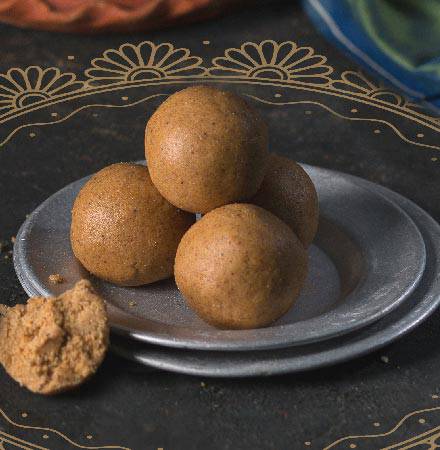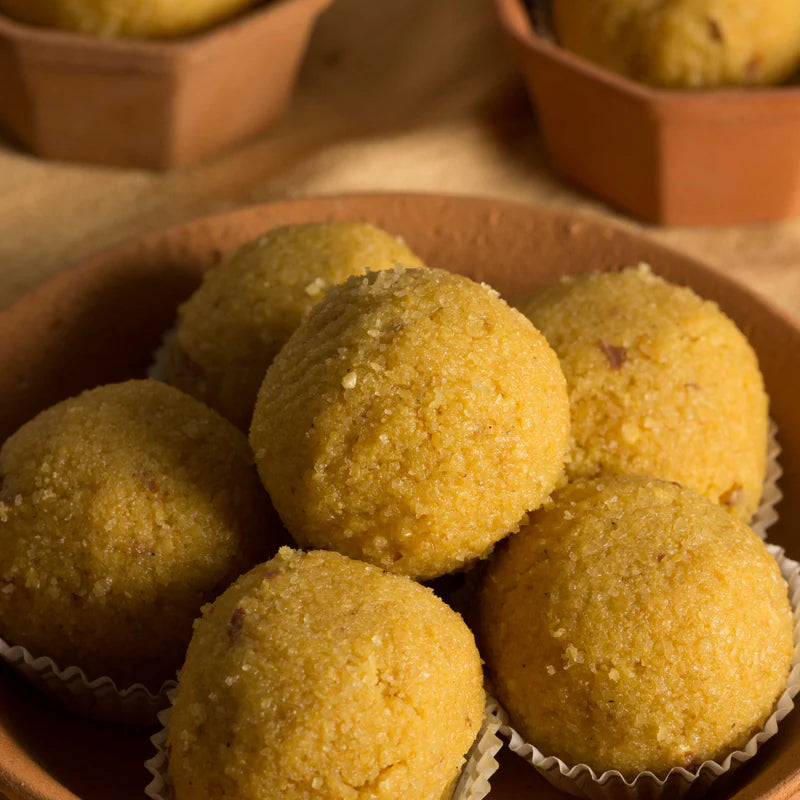
 In the world of Indian sweets, few delights are as iconic as the ladoo. These round, golden treats—made from flour, ghee, and sugar—are not just desserts, but symbols of celebration, tradition, and devotion.
Every region in India has its take, from the rich and nutty Besan Ladoo enjoyed during Ganesh Chaturthi to the delicate, syrupy Motichoor Ladoo often shared during festive gatherings. Beyond taste, laddus were once crafted for their health benefits, using ingredients like jaggery and sesame seeds, especially for nourishing new mothers.
In this article, we’ll explore the diverse world of ladoos—their flavors, textures, cultural significance, and how you can bring their magic into your kitchen.
What is Laddu?
Laddu (or Ladoo) is a traditional Indian sweet that is typically round in shape and made from a variety of ingredients such as flour (like gram flour or wheat flour), ghee (clarified butter), sugar, and often nuts, dried fruits, or spices.
It is one of the most popular sweets in Indian cuisine and holds cultural, religious, and festive significance. Laddus are commonly prepared for festivals, religious ceremonies, and special occasions like weddings and Diwali celebrations. They are also offered as prasadam (devotional offering) in temples.
The Cultural Significance and History of Laddu
Laddus are more than just sweets in India—they're symbols of unity, prosperity, and celebration. Their round shape signifies completeness, making them popular offerings to deities and must-haves at festivals, weddings, and births.
Their roots trace back to ancient Ayurvedic texts like the Charaka Samhita, where laddu-like preparations were valued for their health benefits. Ingredients like sesame seeds, jaggery, and ginger were used to boost energy, aid digestion, and provide warmth.
From nourishing warriors and expectant mothers to sweetening festive moments, laddus have evolved into cherished treats that reflect India’s rich cultural and culinary heritage.
10 Irresistible Types of Laddu to Try
Here’s a curated list of 10 must-try laddus, each offering a distinct taste and a glimpse into India’s rich sweet-making tradition.
1. Motichoor Laddu
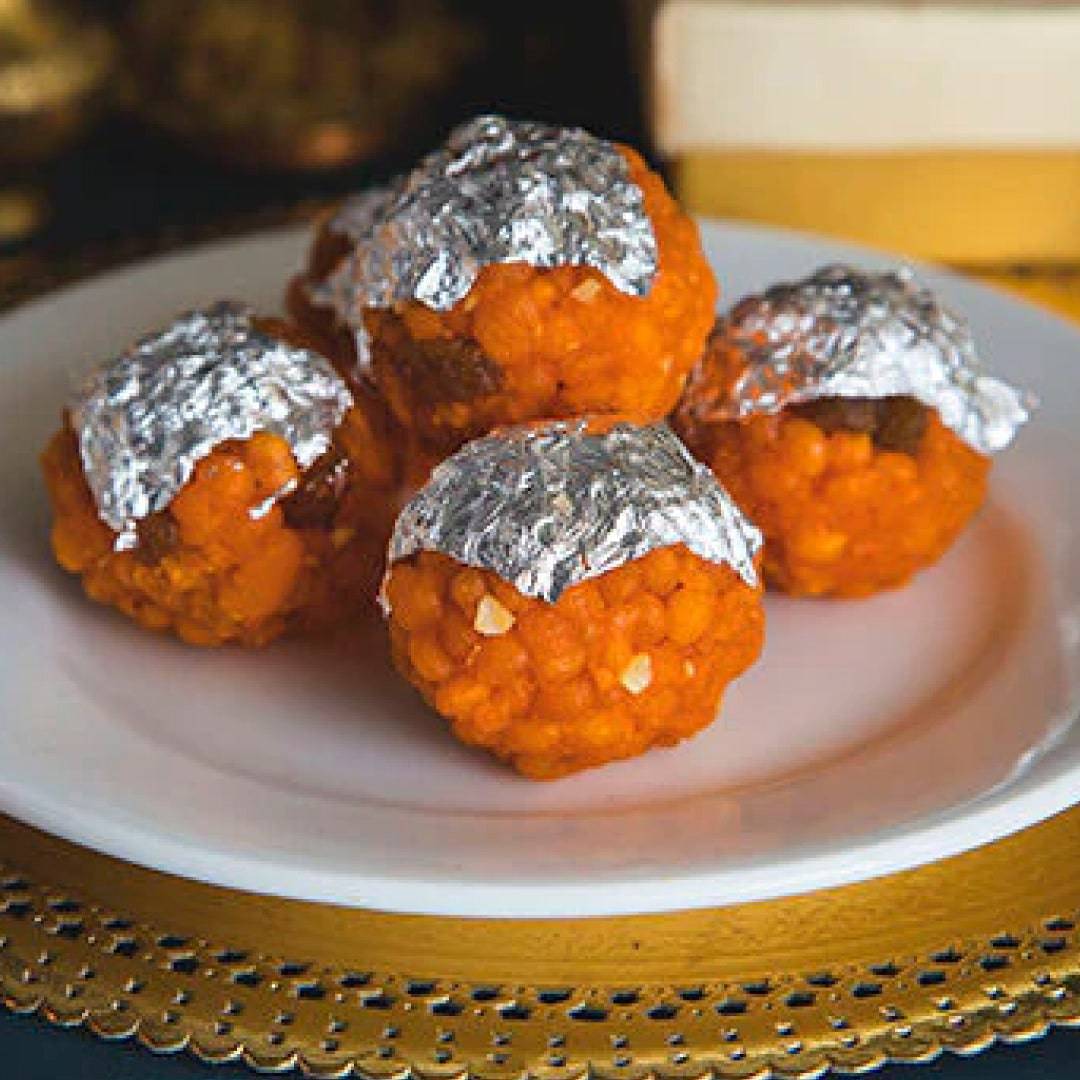
The star of the laddu family, Motichoor Laddu, is a festive essential. Made from tiny besan (gram flour) pearls—or "moti"—fried and soaked in saffron-infused sugar syrup, it’s soft and melts in your mouth. Garnished with cashews or pistachios, its vibrant orange hue and rich sweetness make it a go-to for weddings and Independence Day celebrations. A bite of this laddu is a burst of tradition and joy.
2. Boondi Laddu
Often confused with Motichoor, Boondi Laddu uses slightly larger besan droplets soaked in sugar syrup. This temple favorite, offered as prasad, has a firmer texture and a syrupy sweetness that shines during religious festivals. Its simplicity and satisfying bite make it a timeless classic across India.
3. Besan Laddu
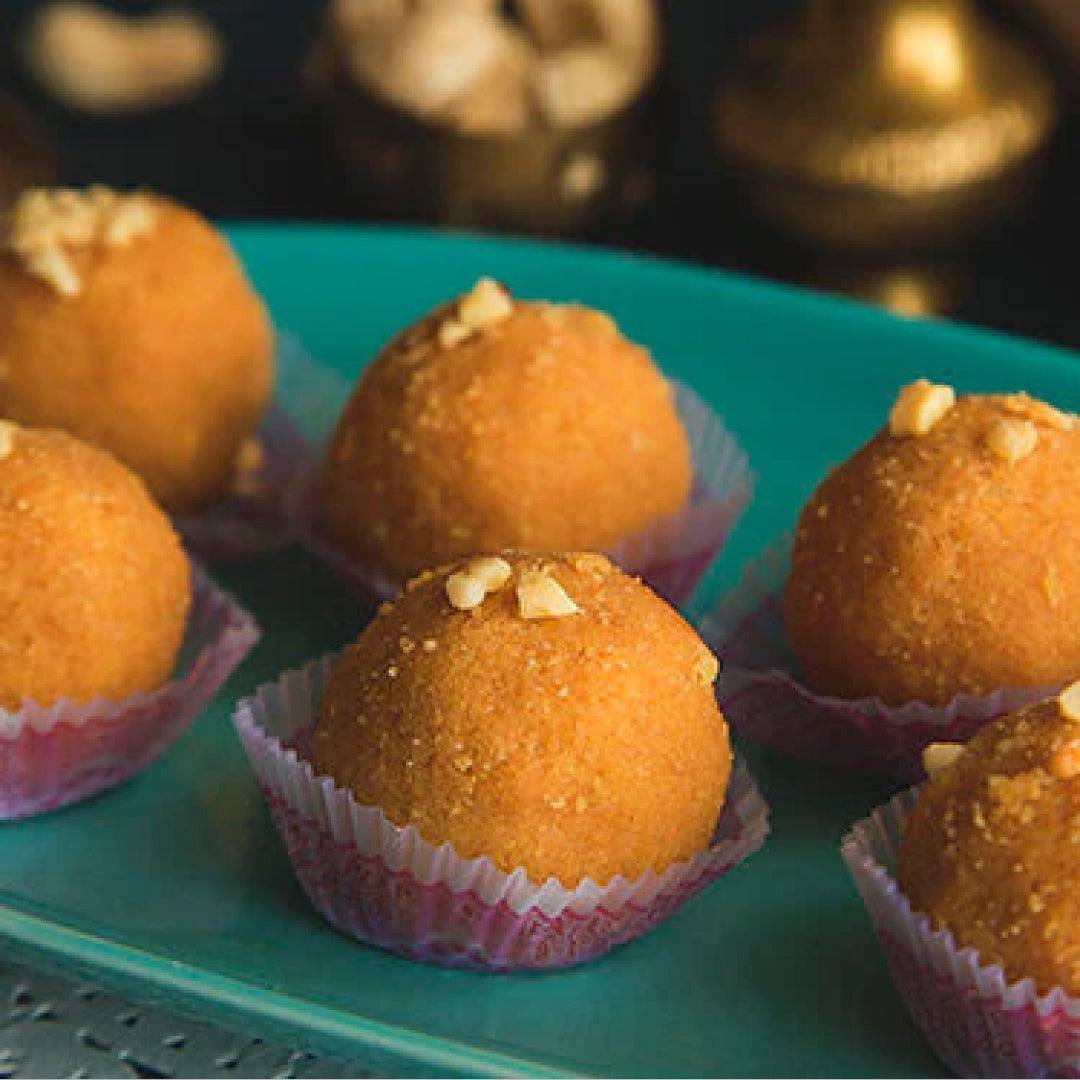
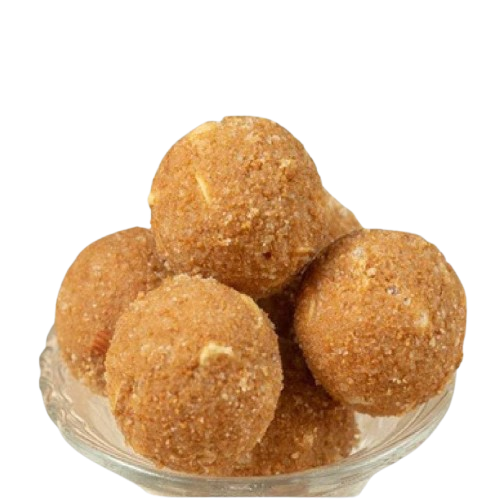
A symbol of devotion, especially for Lord Ganesh during Ganesh Chaturthi, Besan Laddu is a crumbly delight. Roasted gram flour is mixed with ghee and sugar, then shaped into balls and topped with nuts, such as almonds. The nutty, roasted flavor lingers, making it a comforting treat for any occasion.
4. Til Laddu
Til Laddu, made from sesame seeds (til) and jaggery, is a winter staple, especially during Makar Sankranti. Roasted sesame seeds blended with melted jaggery create a crunchy, earthy, sweet treat packed with fiber and antioxidants. Sometimes enhanced with peanuts or coconut, it’s as nutritious as it is delicious.
5. Churma Laddu
Hailing from Rajasthan, Churma Laddu is a hearty treat often paired with Dal Baati. Wheat flour dough is fried, coarsely ground, and then mixed with ghee, jaggery, and spices such as cardamom. A special offering during Ganesh Chaturthi pujas, its dense texture and warm flavors make it worth the effort.
6. Punjabi Pinni
Pinni, a Punjabi delicacy, is a powerhouse of energy. Made with wheat flour, semolina, or urad dal, it’s enriched with dry fruits, nuts, and edible gum (gondh) for medicinal benefits. Roasted and bound with ghee, Pinni’s rich, wholesome taste warms both body and soul.
7. Coconut Laddu
Light and fragrant, Coconut Laddu is a tropical delight made from grated coconut and condensed milk or sugar syrup. Flavored with cardamom or saffron, its chewy texture and subtle sweetness make it a quick, festive favorite across India.
8. Rava Laddu
Popular in South India, Rava Laddu is crafted from roasted semolina (rava), ghee, and sugar, often with coconut or nuts. Its grainy texture and mild sweetness shine during family gatherings and religious ceremonies, offering a satisfying crunch in every bite.
9. Atta Laddu
A rustic, wholesome sweet, Atta Laddu is made from whole wheat flour, ghee, and jaggery or sugar. Traditionally prepared for new mothers due to its energy-boosting properties, its coarse texture and deep, caramelized flavor make it a winter comfort food.
10. Dry Fruit Laddu
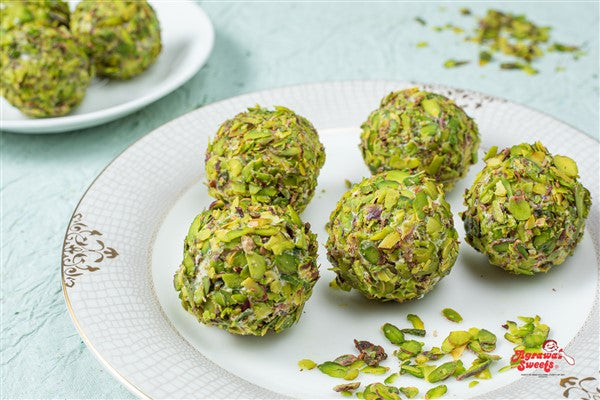
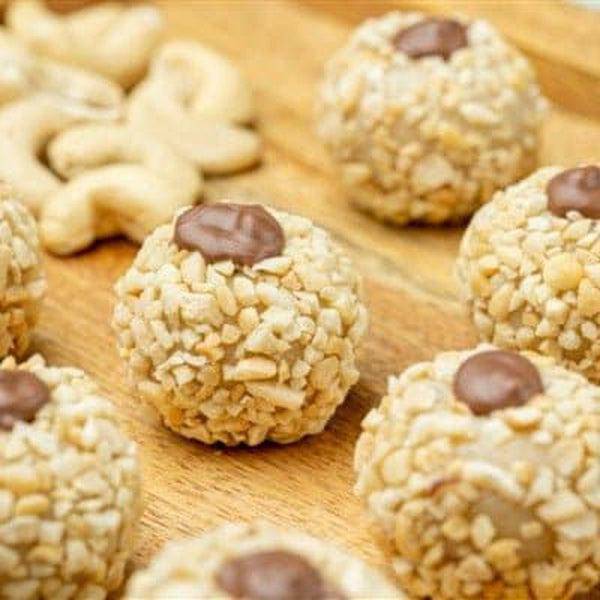
For a guilt-free indulgence, Dry Fruit Laddu combines nuts like almonds, pistachios, and cashews with dried fruits, bound by honey or jaggery. Nutrient-dense and flavorful, it’s a festive treat that doubles as a healthy snack.
Regional Variations: Laddu Across India
India’s diversity shines through its regional laddu variations, each reflecting local ingredients and traditions.
-
Gond Laddu (Madhya Pradesh): Made with edible gum (gondh), wheat flour, and jaggery, this laddu is a winter favorite for its warming properties.
-
Thirunelveli Halwa Laddu (Tamil Nadu): A unique blend of the famous Thirunelveli halwa shaped into laddu form, offering a chewy, caramel-like experience.
-
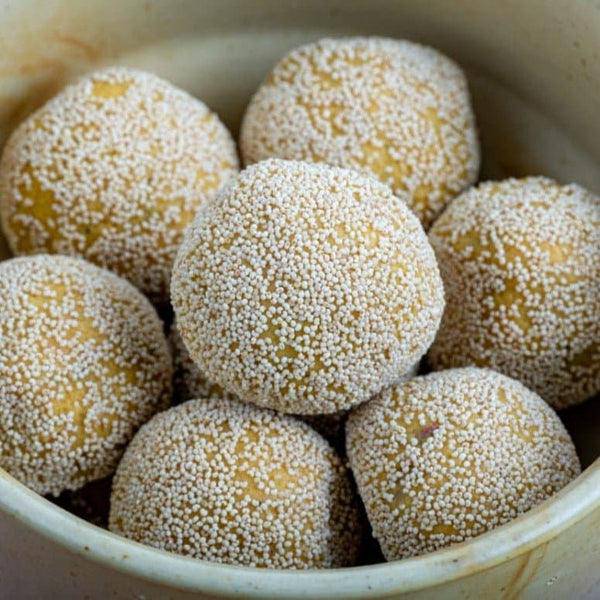
Maa Laddu (Andhra Pradesh): Crafted from popped rice (murmura) and jaggery, this light and crunchy laddu is a popular snack in the region.
-
Poha Laddu (Maharashtra): Flattened rice (poha) is roasted and mixed with jaggery and coconut for a quick, wholesome treat.
These regional specialties showcase how laddu adapts to local tastes while remaining a beloved sweet across the country.
The Health Benefits of Laddu
While laddu is often seen as an indulgent treat, many types are packed with nutritional benefits, thanks to their wholesome ingredients.
-
Sesame Seeds (Til): Rich in calcium, iron, and healthy fats, they support bone health and provide sustained energy.
-
Jaggery: A natural sweetener, jaggery is loaded with iron and antioxidants, aiding digestion and boosting immunity.
-
Nuts and Dry Fruits: Almonds, cashews, and pistachios offer protein, fiber, and heart-healthy fats.
-
Whole Grains: Ingredients like wheat flour and semolina provide fiber and essential nutrients, making laddu a satisfying, energy-boosting snack.
When enjoyed in moderation, laddu can be a delicious way to incorporate these benefits into your diet.
Conclusion
Laddus are a sweet bridge between India’s past and present, blending tradition, nutrition, and irresistible taste. From the sacred Besan Laddu to the luxurious Dry Fruit Laddu, each type offers a unique experience tied to festivals, rituals, and everyday joy. Whether you’re savoring them at a temple or making them at home, these 10 laddus are a must-try for any sweet lover. Dive into this delightful world and let every bite bring you closer to India’s vibrant heritage!
Frequently Asked Questions About Laddu
Q: What is laddu?
A: Laddu (also spelled ladoo) is a traditional Indian sweet shaped into small balls. It's made from various ingredients like flour (such as gram flour or semolina), ghee (clarified butter), sugar or jaggery, and often includes nuts and spices
Q: Why are laddus popular during festivals?
A: Laddus are a festival favorite because they represent happiness, unity, and good fortune. Their circular shape signifies completeness, making them a traditional offering to deities as prasad (blessed food). During events like Diwali and Ganesh Chaturthi, they’re shared with loved ones to spread cheer and positivity.
Q: Are there different types of laddu?
A: Yes, popular varieties include Besan Laddu, Motichoor Laddu, Boondi Laddu, Coconut Laddu, and Rava Laddu.
Q: Are there regional variations of laddu in India?
A: Yes, different regions in India have their unique laddu recipes. For example, Tirupati Laddu from Andhra Pradesh is famous and offered as prasada in the Venkateswara Temple. Similarly, each state may have its traditional laddu variations using local ingredients.
Q: Can laddus be made vegan?
A: Yes, laddus can be made vegan by substituting ghee with plant-based oils like coconut oil and using plant-based sweeteners. For example, coconut laddus can be prepared using coconut oil and jaggery.