
 Roasted chana is a popular snack made from dried chickpeas. It is not only tasty but also packed with nutrients that make it a healthy choice. The nutritional breakdown of roasted chana shows it is high in protein, fiber, and essential minerals, making it a good option for a balanced diet.
Besides protein and fiber, roasted chana provides important vitamins and antioxidants that support overall health. Compared to many other snacks, it has low fat and calories, which adds to its appeal. People looking for nutritious snacks or plant-based protein often include roasted chana in their diet.
Understanding what makes roasted chana nutritious helps people make smarter food choices. This article will break down its key nutrients and explain how it can fit into different eating plans.
Key Takeaways
-
Roasted chana is rich in protein and dietary fiber.
-
It contains several essential vitamins and minerals.
-
It is a low-fat, nutritious alternative to many snacks.
What Is Roasted Chana?
Roasted chana is a dry snack made from chickpeas that are roasted until crunchy. It is popular for its high protein content and low fat. The process of making roasted chana and the types available affect its texture and flavor.
Production Methods
Roasted chana starts with raw chickpeas that are first cleaned and soaked in water. After soaking, the chickpeas are dried and then roasted at high temperatures. The roasting process removes moisture and gives the chickpeas a crispy texture.
There are two main roasting methods: dry roasting and oil roasting. In dry roasting, the chickpeas are heated in pans or ovens without oil. In oil roasting, a small amount of oil is used to enhance flavor and give a slightly different texture. Dry roasting usually results in a crunchier and lower-fat product.
Types of Roasted Chana
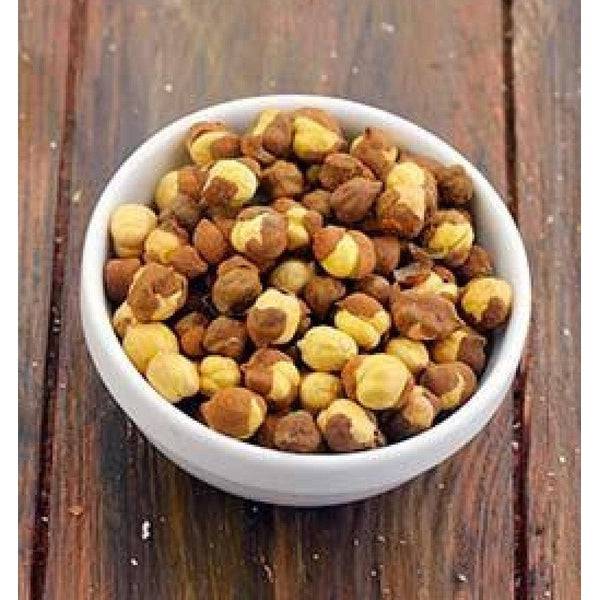
There are mainly two types: black roasted chana(with skin) and white roasted chana(without skin). Black roasted chana uses smaller, dark-colored chickpeas, which have a stronger, nuttier flavor. White roasted chana uses larger, pale chickpeas with a milder taste.
Both types can be flavored with salt or spices like chilli, turmeric, or chaat masala. Some versions are plain, focusing purely on the natural taste of roasted chickpeas. The choice depends on taste preferences and how the snack will be used.
Macronutrient Composition
Roasted chana has a balanced mix of energy sources that includes calories, carbohydrates, protein, and fat. Each part plays a key role in its nutritional value and benefits.
Caloric Value
A 100-gram serving of roasted chana provides around 350 to 370 calories. These calories mainly come from carbohydrates and protein, with some contribution from fats. This makes roasted chana a good energy source that can keep a person full for longer.
Since it is dry-roasted and not fried, the calorie count remains moderate. This allows it to fit well into a balanced diet without adding excess calories. The energy density supports activities like studying, working, or light exercise.
Carbohydrates Content
Roasted chana contains about 60 grams of carbohydrates per 100 grams. Most of these carbs come from starch, providing slow-releasing energy. This helps maintain steady blood sugar levels.
It is also rich in dietary fiber, with around 15 grams of fiber per 100 grams. Fiber supports digestion and can help reduce cholesterol. The carbohydrate profile makes roasted chana a smart snack choice for sustained energy.
Protein Profile
Roasted chana is a strong protein source, containing roughly 20 to 22 grams of protein per 100 grams. The protein is plant-based but offers many essential amino acids, making it a good protein option for vegetarians.
Its high protein content supports muscle repair and growth, making it a nutritious snack, especially for people who do not eat animal products.
Fat Content
Roasted chana has a low fat content of about 6 grams per 100 grams. Most of this fat is unsaturated, which is better for heart health. Its fat content is much lower than fried snacks.
The low fat level keeps the calories manageable, while still providing some healthy fats. This makes roasted chana a healthier alternative to other crunchy snacks that are high in unhealthy fats.
Micronutrient Profile
Roasted chana contains important vitamins and minerals that support daily nutritional needs. These micronutrients help with energy production, immune function, and bone health.
Vitamins Present
Roasted chana is a good source of B-complex vitamins. It contains vitamin B6, which helps with brain health and metabolism. It also has niacin (B3), crucial for converting food into energy.
There is a small amount of folate (B9). Folate supports cell growth and helps prevent anemia. Vitamin E is present in minor amounts, acting as an antioxidant.
These vitamins contribute mostly to energy metabolism and healthy blood function. They are especially useful for people who need plant-based sources of B vitamins.
Minerals Content
Roasted chana is rich in minerals like iron, magnesium, and phosphorus. Iron is vital for oxygen transport in the blood. It supports energy and cognitive function.
Magnesium in roasted chana helps with muscle function and bone strength. Phosphorus aids in building strong bones and teeth.
It also contains zinc, which is important for the immune system and wound healing. Copper, manganese, and small amounts of potassium are present too.
|
Mineral |
Amount (per 100g) |
Key Benefits |
|
Iron |
4.7 mg |
Supports blood oxygen and energy |
|
Magnesium |
138 mg |
Muscle & bone health |
|
Phosphorus |
318 mg |
Bone strength |
|
Zinc |
2.5 mg |
Immune function |
Dietary Fiber in Roasted Chana
Roasted chana contains both insoluble and soluble fiber, which affect the body differently. This fiber mix helps improve digestion and keeps the gut healthy. Understanding these types of fiber and their benefits can clarify why roasted chana is a good snack choice.
Insoluble and Soluble Fiber
Roasted chana has a balance of insoluble and soluble fiber. Insoluble fiber adds bulk to stool and helps food move through the digestive system quickly. This type of fiber is important for preventing constipation.
Soluble fiber dissolves in water and forms a gel-like substance in the gut. This slows digestion and can help control blood sugar levels. It also helps reduce cholesterol by blocking its absorption.
Together, these fibers support different parts of digestion. Roasted chana contains more insoluble fiber than soluble, which makes it especially good for regular bowel movements.
|
Fiber Type |
Function |
Amount in Roasted Chana |
|
Insoluble Fiber |
Adds bulk, moves waste through the intestines |
Higher |
|
Soluble Fiber |
Slows digestion, controls sugar and cholesterol |
Moderate |
Benefits for Digestion
The blend of dietary fiber in roasted chana supports digestive health in several ways. Insoluble fiber prevents constipation by speeding up waste removal. This helps maintain regularity in the stomach and intestines.
Soluble fiber feeds good gut bacteria, which improves overall gut health and boosts the immune system. This fiber also helps control blood sugar spikes after meals, which eases the workload on the digestive system.
Due to its fibre content, eating roasted chana regularly can lead to better digestion, fewer stomach problems, and steady energy levels. It also promotes feelings of fullness, which helps in healthy weight management.
Antioxidants and Bioactive Compounds
Roasted chana contains several antioxidants that help protect cells from damage caused by free radicals. These antioxidants include flavonoids, polyphenols, and vitamin C. Each of these plays a role in reducing oxidative stress in the body.
Polyphenols are the most abundant antioxidants in roasted chana. They help reduce inflammation and may support heart health. Flavonoids also contribute to these effects and have been studied for their role in improving blood vessel function.
Besides antioxidants, roasted chana has bioactive compounds such as saponins and tannins. These compounds have antibiotic-like properties and can aid in digestion. They may also help control blood sugar levels.
The table below shows key antioxidant and bioactive compounds in roasted chana:
|
Compound |
Role |
|
Polyphenols |
Reduce inflammation, protect cells |
|
Flavonoids |
Support heart health, blood flow |
|
Vitamin C |
Boost immune function, antioxidant |
|
Saponins |
Aid digestion, antimicrobial |
|
Tannins |
Control blood sugar, an antioxidant |
These compounds make roasted chana a healthy snack option with benefits beyond basic nutrition.
Why Your Body Loves Roasted Chana
Roasted chana is a great snack for anyone looking to boost their health. It packs a good amount of protein, which helps in muscle repair and growth. This makes it a smart choice for people who want to stay active or build strength.
It is also rich in fiber, which supports digestion and helps keep the stomach feeling full for longer. This can help control hunger and prevent overeating during the day.
The snack contains important minerals like iron, magnesium, and phosphorus. Iron helps in carrying oxygen in the blood. Magnesium and phosphorus play key roles in energy production and bone health.
Roasted chana is naturally low in fat and calories. This means it can be enjoyed as a light snack without adding extra weight. People looking to maintain or lose weight may find it helpful.
|
Nutrient |
Amount (per 100g) |
Benefit |
|
Protein |
20-22g |
Muscle health |
|
Fiber |
10-12g |
Aids digestion |
|
Iron |
4.5mg |
Supports blood oxygen |
|
Magnesium |
120mg |
Energy and bone support |
Because it is dry and crunchy, roasted chana is easy to carry around. This makes it a convenient option for on-the-go snacking.
Health Benefits of Roasted Chana
Roasted chana offers important nutritional advantages that impact blood sugar, weight control, and heart health. Its fiber, protein, and nutrient content work together to support these body functions in practical ways.
Blood Sugar Regulation
Roasted chana has a low glycemic index. This means it raises blood sugar levels slowly, helping avoid spikes after a meal. Its high fiber content slows digestion and glucose absorption.
The protein in roasted chana also aids in stabilizing blood sugar by slowing carbohydrate breakdown. This makes it a good snack option for people managing diabetes or insulin resistance.
Regularly eating roasted chana can improve insulin sensitivity. This helps cells use blood sugar better and reduces the risk of long-term complications related to high blood sugar.
Weight Management Support
Roasted chana is rich in protein and fiber, which promote feelings of fullness. This helps reduce overall calorie intake by limiting hunger between meals.
The fiber in roasted chana adds bulk to the diet without many calories, which supports weight control. Protein also boosts metabolism slightly by increasing the energy used for digestion.
Eating roasted chana as a snack may help people avoid unhealthy, high-calorie foods. Its combination of nutrients provides lasting energy and reduces cravings for sweets or fried items.
Heart Health Contributions
Roasted chana contains nutrients that benefit heart health. It is high in fiber, which lowers bad LDL cholesterol and helps maintain healthy blood pressure.
It also provides magnesium and potassium. These minerals support healthy blood vessels and reduce the risk of heart disease.
Additionally, roasted chana has no cholesterol and low fat content, mostly unsaturated fats. This nutrient profile helps reduce factors that contribute to heart disease over time.
Roasted Chana in Special Diets
Roasted chana fits well into many special diets because of its natural ingredients and nutritional profile. It offers benefits for those avoiding gluten or following plant-based eating patterns.
Gluten-Free Applications
Roasted chana is naturally gluten-free, making it safe for people with celiac disease or gluten intolerance. Since it is made solely from chickpeas, it has no wheat, barley, or rye.
However, it's important to check packaging labels. Some brands may process roasted chana in facilities that handle gluten-containing foods. Cross-contamination can happen, so certified gluten-free products are preferred for strict gluten-free diets.
This legume is a good gluten-free snack option. It provides protein and fiber without gluten, supporting digestive health and steady energy. It works well as a crunchy alternative to gluten-based snacks.
Vegan and Vegetarian Suitability
Roasted chana is entirely plant-based. It contains no animal products, making it suitable for vegans and vegetarians.
Its high protein content helps meet daily needs in a vegan diet. Additionally, it offers essential vitamins and minerals like iron, magnesium, and folate, which are important for plant-based eaters.
Since it is a whole food without additives, roasted chana fits cleanly into vegetarian meal plans. Its versatility allows it to be used in salads, snacks, or meals to add nutrition and texture.
Possible Side Effects and Considerations
Roasted chana is generally safe for most people. However, some might experience mild digestive issues like gas or bloating. This happens because roasted chana is high in fiber, which can be hard to digest for some.
People with legume allergies should avoid roasted chana. It can cause allergic reactions such as itching, swelling, or even difficulty breathing in severe cases.
Eating large amounts of roasted chana may lead to excessive calorie intake. Although it is healthy, it still has calories that can add up if eaten in large quantities.
Roasted chana contains phytic acid, which can reduce the absorption of some minerals like iron and zinc. Those with mineral deficiencies should keep this in mind.
It is also important to consider the sodium content if the chana is salted. High sodium intake can be a concern for people with high blood pressure or heart problems.
|
Consideration |
Detail |
|
Digestive issues |
Gas, bloating due to fiber |
|
Allergies |
Possible reactions for legumes |
|
Calorie intake |
Can be high in large amounts |
|
Mineral absorption |
Phytic acid may lower minerals |
|
Sodium content |
Watch if salted or flavored |
Comparison with Other Snacks
Roasted chana has distinct nutritional qualities compared to common healthy snacks. It offers a good balance of protein and fiber while being lower in fat than many alternatives. The comparisons below highlight its main differences with boiled chana, and popular nuts and seeds.
Roasted Chana vs. Boiled Chana
Roasted chana contains less water than boiled chana, which makes its nutrients more concentrated by weight. For example, roasted chana has about 22 grams of protein and 12 grams of fiber per 100 grams. Boiled chana has slightly fewer calories but a similar protein content.
Boiled chana has around 6 grams of fat per 100 grams, mostly healthy fats, while roasted chana has less fat because it's dry-roasted without added oils. Boiled chana offers more moisture, which can help with hydration, but roasted chana is crunchier and better for snacking.
Both are good sources of iron, magnesium, and potassium. Roasted chana may have a slightly higher calorie count due to reduced water content, but is favored for its shelf life and easy portability.
|
Nutrient (per 100G) |
Roasted Chana |
Boiled Chana |
|
Calories |
380 kcal |
164 kcal |
|
Protein |
20g |
9g |
|
Carbohydrates |
60g |
27g |
|
Fiber |
17g |
7.6g |
|
Fat |
5g |
2.6g |
|
Water Content |
Low |
High |
Roasted Chana vs. Nuts and Seeds
Nuts and seeds like almonds and pumpkin seeds generally have more fat, especially healthy unsaturated fats, compared to roasted chana. For example, almonds have about 50 grams of fat per 100 grams, while roasted chana has less than 3 grams.
Roasted chana provides more protein and fiber than many nuts and seeds, with around 22 grams of protein and 12 grams of fiber, versus almonds with roughly 21 grams of protein and 12 grams of fiber but higher fat.
Nuts and seeds often have more calories due to their high fat content. Roasted chana is lower in calories and fat, making it a leaner snack choice. It also contains fewer antioxidants than some nuts but is rich in resistant starch, which aids digestion.
|
Nutrient (per 100g) |
Roasted Chana |
Almonds |
Pumpkin Seeds |
|
Calories |
~350 kcal |
~575 kcal |
~560 kcal |
|
Protein |
22 g |
21 g |
30 g |
|
Fat |
3 g |
50 g |
49 g |
|
Fiber |
12 g |
12 g |
6 g |
|
Carbohydrates |
57 g |
22 g |
14 g |
How to Incorporate Roasted Chana into Your Diet
People can add roasted chana as a snack between meals. It is a healthy option that provides protein and fiber, which help keep hunger in check. Carrying small packets of roasted chana makes it easy to eat on the go.
Roasted chana can also be sprinkled over salads or soups. This adds a crunchy texture and increases the nutrient content. Using roasted chana instead of croutons or fried toppings is a better choice.
In cooking, roasted chana can be ground into flour. This flour can be used in recipes for pancakes, flatbreads, and snacks. It offers a source of protein and makes dishes more filling.
Below is a simple list of ways to use roasted chana:
-
Eat as a dry snack
-
Add to mixed nuts or trail mix
-
Sprinkle on yogurt or smoothie bowls
-
Mix into vegetable or grain salads
-
Use as a topping for soups or stews
People should store roasted chana in airtight containers to keep it fresh and crunchy. Including roasted chana regularly can help improve diet quality with minimal effort.
Conclusion
Roasted chana is a nutritious snack with a strong nutrient profile. It provides a good amount of protein, fiber, vitamins, and minerals in a small serving size.
Its high fiber content supports digestion and helps maintain a feeling of fullness. The protein in roasted chana can aid in muscle repair and growth.
Roasted chana is also low in fat and calories when compared to many other snacks, making it a healthier choice. It contains minerals like iron, magnesium, and phosphorus, which are important for energy and bone health.
While healthy, portion control is important because roasted chana can be high in sodium if salted. Choosing unsalted versions reduces this concern.
In summary, roasted chana is a balanced snack option for those looking to add plant-based protein and fiber to their diets. It fits well into a variety of eating patterns and can be a convenient, nutrient-rich choice throughout the day.