

Key Highlights
-
Diwali 2025, known as the festival of lights, starts on October 18th. This event lasts for five bright days and concludes on October 23rd.
-
People join in to celebrate how good wins over bad. Many take part in Lakshmi puja, have fun with fireworks, and light up clay lamps at home.
-
Diwali is a big cultural event that people from several religions, such as Hindus, Sikhs, and Jains, join in.
-
Each of the five days of Diwali stands for something special. Some days are for wealth and good fortune, while some are about love and keeping family safe.
-
The stars also play a part in Diwali. It brings in special moments like Pradosh Kaa l(the period during the twilight hours, particularly just before sunset) and prayers so that people can hope for better times.
Diwali is known as the "festival of lights." It is one of the most loved celebrations in India. This festival is based on the Hindu moon calendar. Diwali means hope, good luck, and the victory of good over bad. At this time, people light their homes and streets with clay lamps and bright decorations. In 2025, many people will enjoy old ways of celebrating, like Lakshmi puja and giving sweets to others. If you want to know more about how this festival started and the things people do, let's take a closer look at Diwali and what it means.
When is Diwali 2025? Main Dates and Significance
Diwali 2025 will be celebrated from Saturday, October 18th, to Thursday, October 23rd, with the main day falling on Monday, October 20th. This five-day festival symbolizes light, good luck, and togetherness. It begins with Dhanteras, a day for wealth and good fortune, followed by Kali Chaudas and Narak Chaturdashi, which represent the triumph over darkness.
The highlight is Lakshmi Puja on the third day, bringing hope and prosperity. Diwali goes beyond dates—it's about tradition, family, and joy. Homes are decorated with rangoli, sweets are shared, and lamps are lit to honor culture and faith. At its core, Diwali celebrates connection, hope, and heritage.
The Historical Roots of Diwali
Diwali, also known as Deepavali, has roots in ancient India and follows the Hindu calendar. One popular story says it began when King Rama returned to Ayodhya after defeating the demon king Ravana, and people lit the city with lamps to welcome him. This tradition of lights became central to the celebration.
Another tale is about Goddess Lakshmi, who brings wealth and good fortune. It's believed she visits clean, well-lit homes during Diwali, which is why people clean their houses and light clay lamps.
Diwali is also linked to the harvest season, marking the end of the farming year in old India. The festival is rich in stories, customs, and meaning—celebrating light, prosperity, and the blessings of Lakshmi.
Diwali 2025 Dates and the Astrological Significance
Diwali in 2025 will start on October 18. The biggest day, called Lakshmi Puja, will be on October 20. The Hindu calendar sets these dates, and they fall on Amavasya, or the new moon day. This is a very important time. Many people say it brings prosperity and helps with spiritual growth.
There are also astrological things that matter during the rituals of Diwali. People do Pradosh Kaal ceremonies at this time. They pray to Lord Ganesh and Goddess Lakshmi together as part of this. This festival mixes spirituality with a special kind of energy. The day brings hope, new beginnings, and good luck to everyone who participates.
Key Dates for Diwali 2025
Here is a simple look at the five big days of Diwali 2025:
|
Day |
Festival & Meaning |
Date in 2025 |
|
Day 1 |
Dhanteras – Wealth & Prosperity |
October 18th (Saturday) |
|
Interval Day |
Kali Chaudas |
October 19th (Sunday) |
|
Day 2 |
Narak Chaturdashi – Victory & Hope |
October 20th (Monday) |
|
Day 3 |
Diwali (Lakshmi Puja) – Dawn & Rebirth |
October 21st (Tuesday) |
|
Day 4 |
Govardhan Puja – Nature Preservation |
October 22nd (Wednesday) |
|
Day 5 |
Bhai Dooj – Love & Protection |
October 23rd (Thursday) |
Each of these days has its main theme. There is wealth, caring for nature, and strong family bonds. The dates, like Monday for Narak Chaturdashi on October 20th, show how Diwali brings everyone together. This time reminds us to look at each part of life. That is what makes Diwali more than just a festival. It brings hope, new beginnings, prosperity, and love into our lives. During Lakshmi Puja, people pray to Lakshmi for good fortune.
Astrological Aspects Influencing Diwali Celebrations
Astrology plays an important role in Diwali celebrations. The Lakshmi Puja is performed during the Pradosh Kaal, a time believed to bring wealth and good fortune. On this day, prayers are offered to Lord Ganesh and Goddess Lakshmi for wisdom and prosperity.
The new moon on October 20th adds to the spiritual energy. Families light lamps, chant mantras, and perform rituals to invite positive energy and drive away negativity. For many, Diwali also marks the start of the Hindu new year—a time for fresh beginnings. Astrology helps guide these rituals, making Diwali feel even more meaningful and hopeful.
Diwali Sweets and Snacks
Diwali snacks and sweets are integral to the festivities, symbolizing abundance and joy:
-
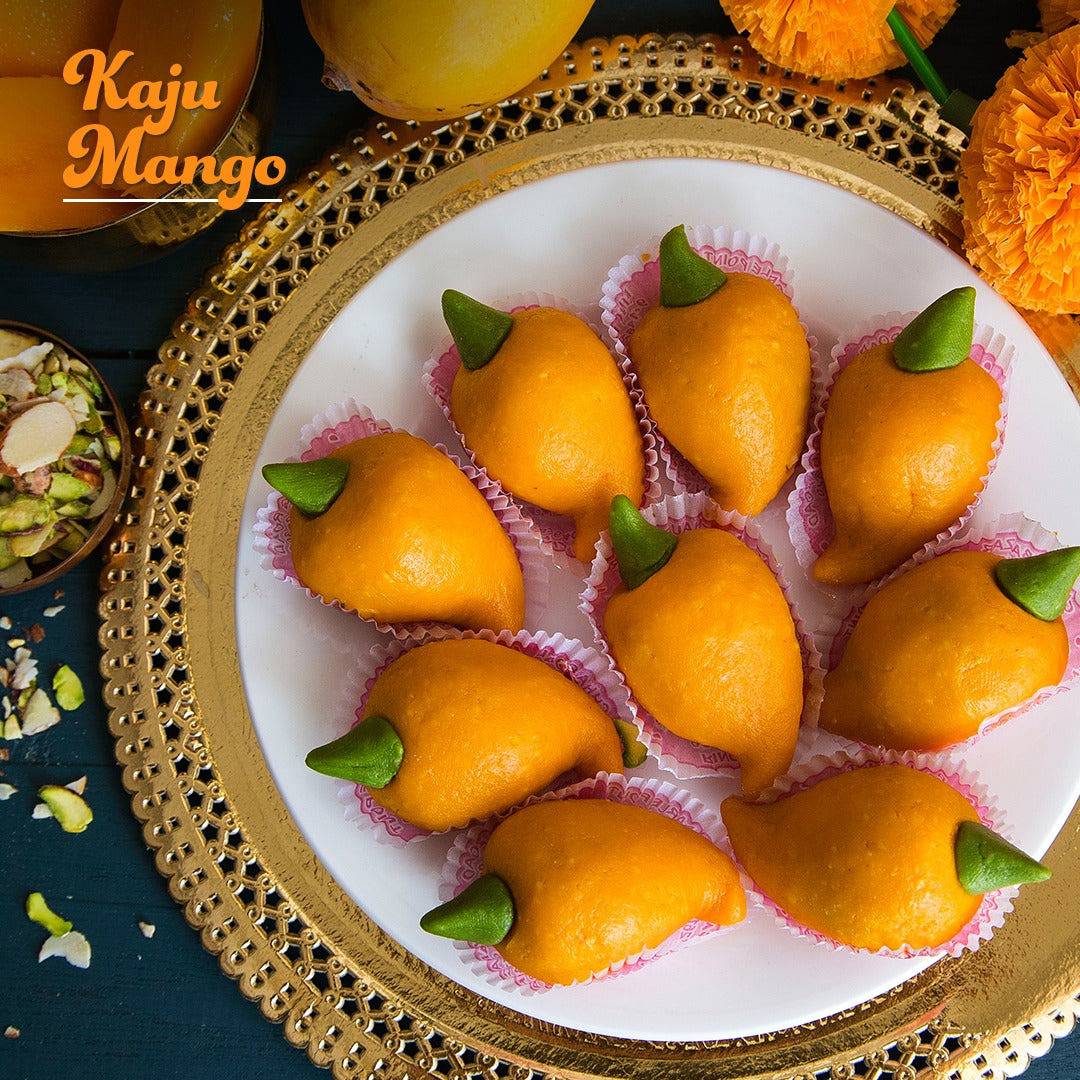
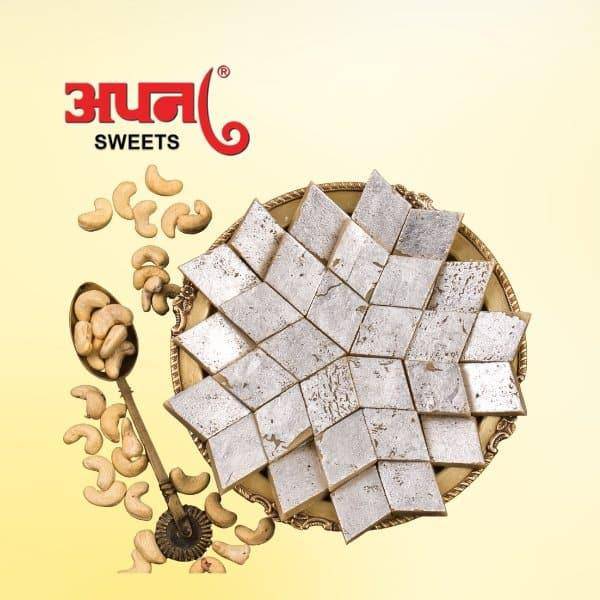
Sweets: Popular treats include laddus, barfis, gulab jamun, sweet bite, gujiya, and kaju katli, often made with flour, semolina, milk solids (khoya), and ghee. Some are adorned with edible silver foil (vark).
-
Snacks: Savory items like chakli, sev, samosas, and mathri are enjoyed alongside sweets.
-
Healthier Options: Dry fruit sweets, nuts, and baked snacks are gaining popularity for guilt-free indulgence.
Diwali Items
Essential Diwali items for rituals and celebrations include:
-
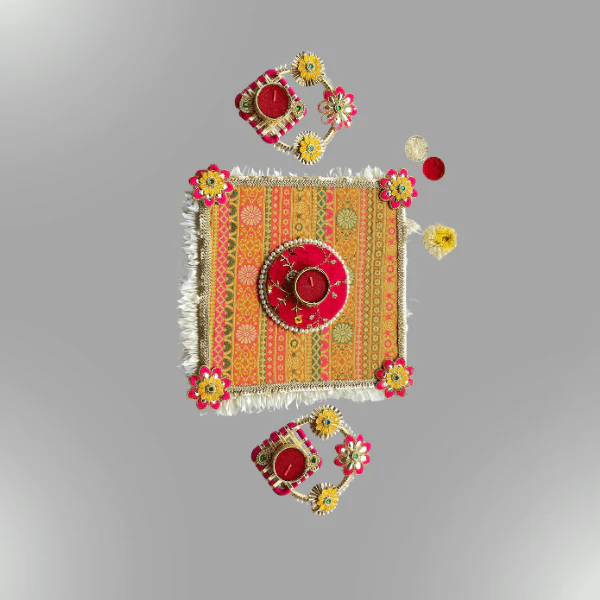
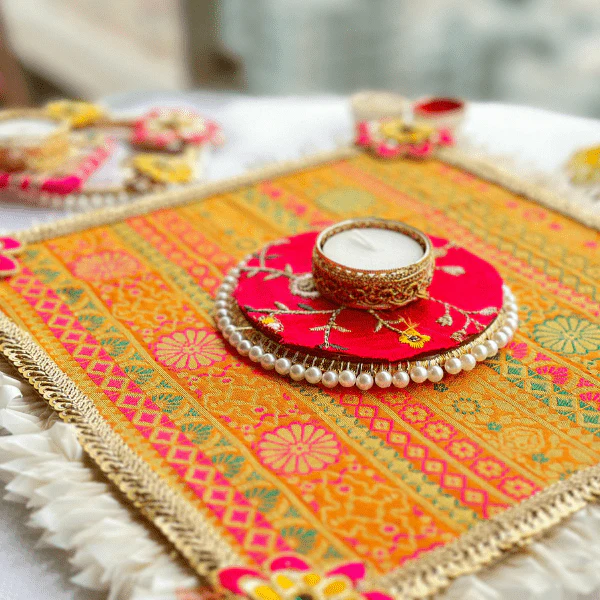
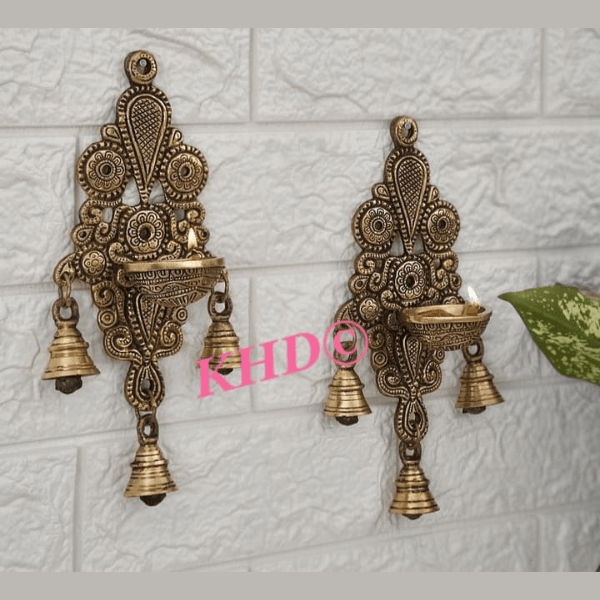
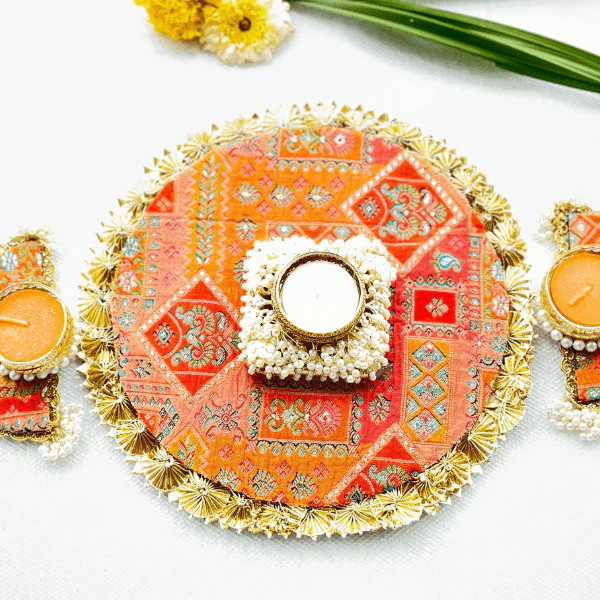
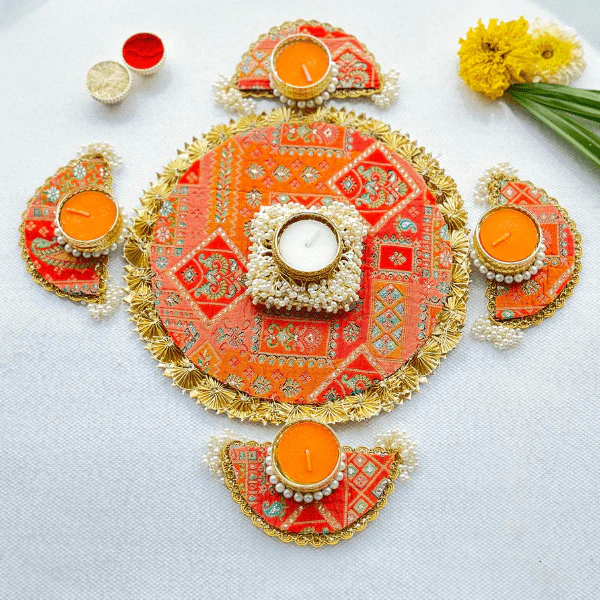
Diyas and Candles: To light homes and welcome deities.
-
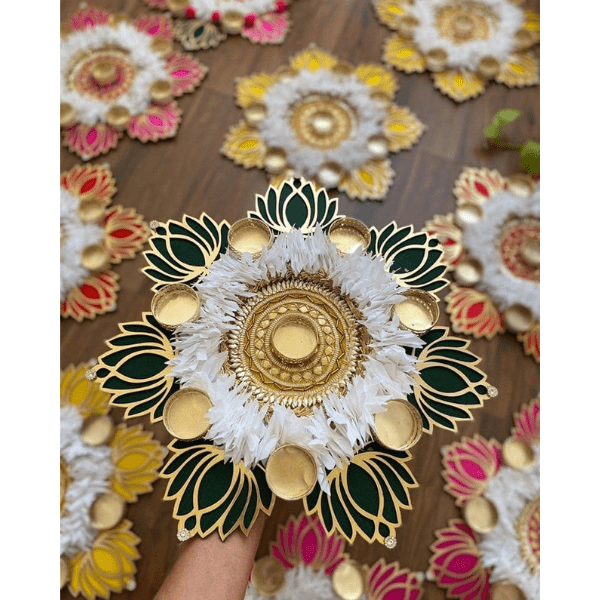
Rangoli Materials: Colored powders, rice flour, or turmeric for decorative patterns.
-
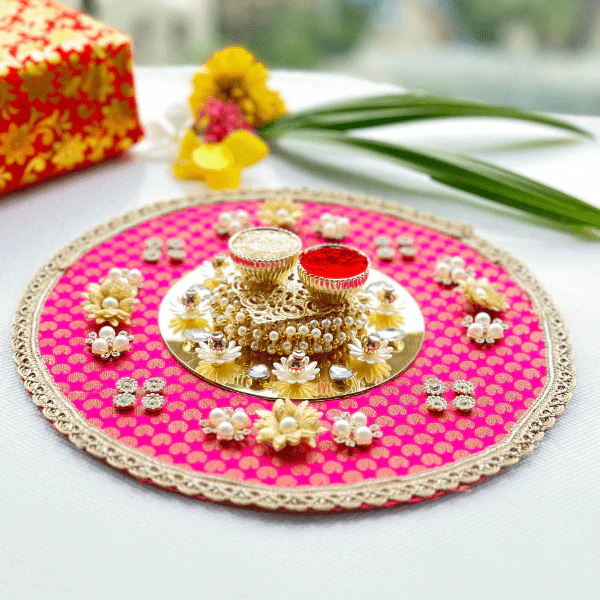
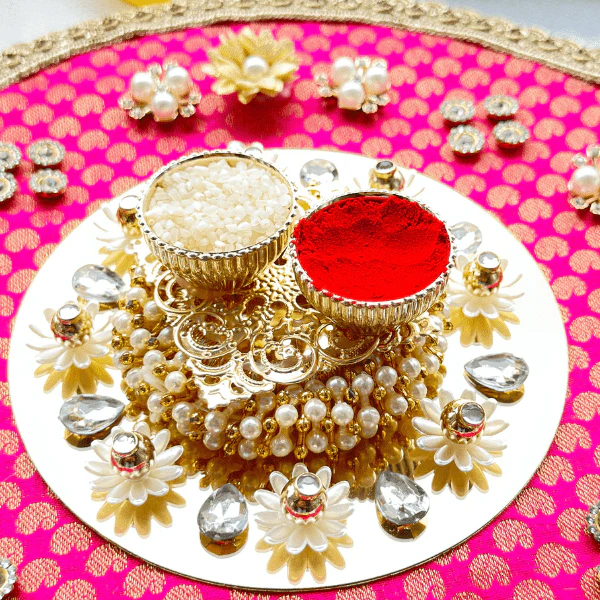
Puja Samagri: Incense sticks, camphor, turmeric, vermilion, betel leaves, fruits, Sweets, Snacks, and a Kalash.
-
New Clothes: Traditional attire to reflect the festive spirit.
-
Fireworks: For celebratory displays, used responsibly.
-
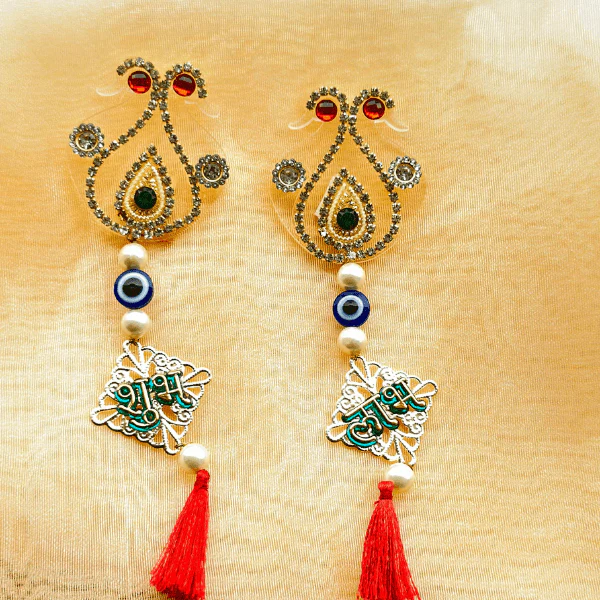
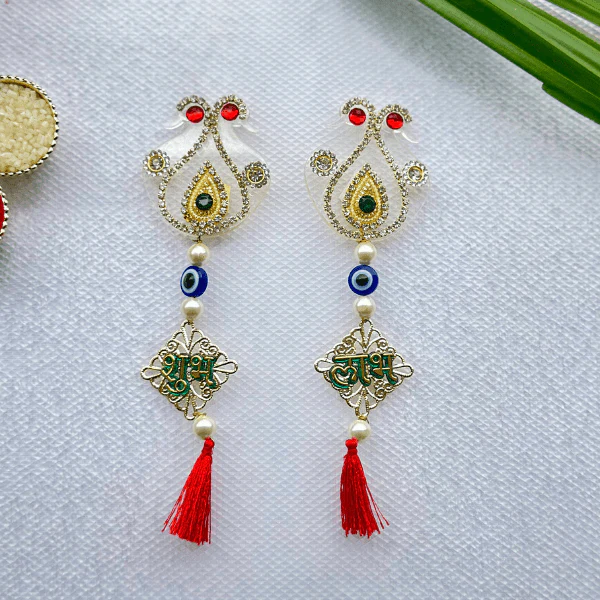
Gifts: Sweets, dry fruits, or Handicraft items exchanged with loved ones.
Why Diwali Holds a Special Place in Indian Culture
Diwali is one of India's most cherished festivals, known for its deep meaning, rich history, and joyful celebrations. Often called the "Festival of Lights," it symbolizes the victory of light over darkness and good over evil. For Hindus, this message is central, but Sikhs, Jains, and some Buddhists also celebrate Diwali in their meaningful ways.
More than a religious event, Diwali is about family, gratitude, and togetherness. People exchange gifts, prepare special meals, and decorate their homes. These traditions reflect the warmth, joy, and vibrant culture of India.
How do different regions in India celebrate Diwali differently?
Diwali is celebrated in different ways across India. In the North, people have fireworks and enjoy sweets. The South marks Diwali with prayers and rangoli designs. In West India, there are big gatherings with music and dance. In the East, many people focus on worshipping the goddess Kali.
Every region has its own flavors, customs, and rituals for Diwali. These different ways help to show how rich Indian culture is. At the same time, they help people feel close and united with each other. As Diwali 2025 gets closer, people all over the world are getting ready for this bright festival.
Homes are filled with colorful lights. Many make rangoli patterns to invite good luck and welcome a new start. In West India, people love lively get-togethers with their friends and neighbors. In East India, families follow old traditions. All these ways show just how many types of Indian culture come together during this festival and how the celebration brings everyone closer.
Conclusion
As Diwali 2025 comes near, people start to feel happy and ready for this special festival. Diwali has a lot of bright colors, old ways, and meaning. The festival is about light winning over darkness, and good winning over bad. On this day, people like to be with family and friends. This helps make all their bonds grow stronger. At this time, people from a community can come together and feel like one group. You may see people light diyas, give out sweets, or join hands to pray. Every small thing you do on this day shows hope and being together as one.
Let these Diwali traditions make your life brighter. They can fill your days with happiness. If you want to feel even more joy this Diwali, try to find new ways to join in the fun. No matter where you are from, you can take part in these celebrations. Let yourself feel what this special time brings. Enjoy it with your loved ones.
Frequently Asked Questions
Q: When is Diwali in 2025?
A: Diwali 2025 will be celebrated from October 18th to October 23rd, with the main day, Lakshmi Puja, falling on October 20th. The festival spans five days, starting with Dhanteras and ending with Bhai Dooj.
Q: What are the main rituals performed during Diwali?
A: Key rituals include lighting clay lamps (diyas) to brighten homes, performing Lakshmi Puja for prosperity, and praying to Lord Ganesh for wisdom. People also clean their houses, decorate with lights and rangoli, and share sweets and snacks.
Q: What traditional foods are commonly prepared during Diwali?
A: Popular Diwali foods include sweets like ladoos, barfis, gulab jamun, and kheer, and savory snacks like samosas, chaklis, and mathri. These treats symbolize abundance and are shared with loved ones.
Q: What is the connection between Diwali and the Hindu New Year?
A: In some regions, like Gujarat, Diwali marks the Hindu New Year, the day after Lakshmi Puja. It's a time for new beginnings, with people starting fresh accounts and setting goals for the year ahead.
Q: How is Diwali celebrated outside India?
A: Diwali is celebrated worldwide, especially in places with large Indian communities. For example, Leicester in the UK hosts one of the biggest Diwali events outside India, with lights, music, and dance. In the USA, Times Square holds a lively celebration featuring music, food, and fireworks, drawing locals and tourists alike.